Winter Forecast: New Analysis Shows Ohioans Should Expect Extreme Price Spikes, Nearly $1,000 In Electricity Costs
More from this series Project RECORD
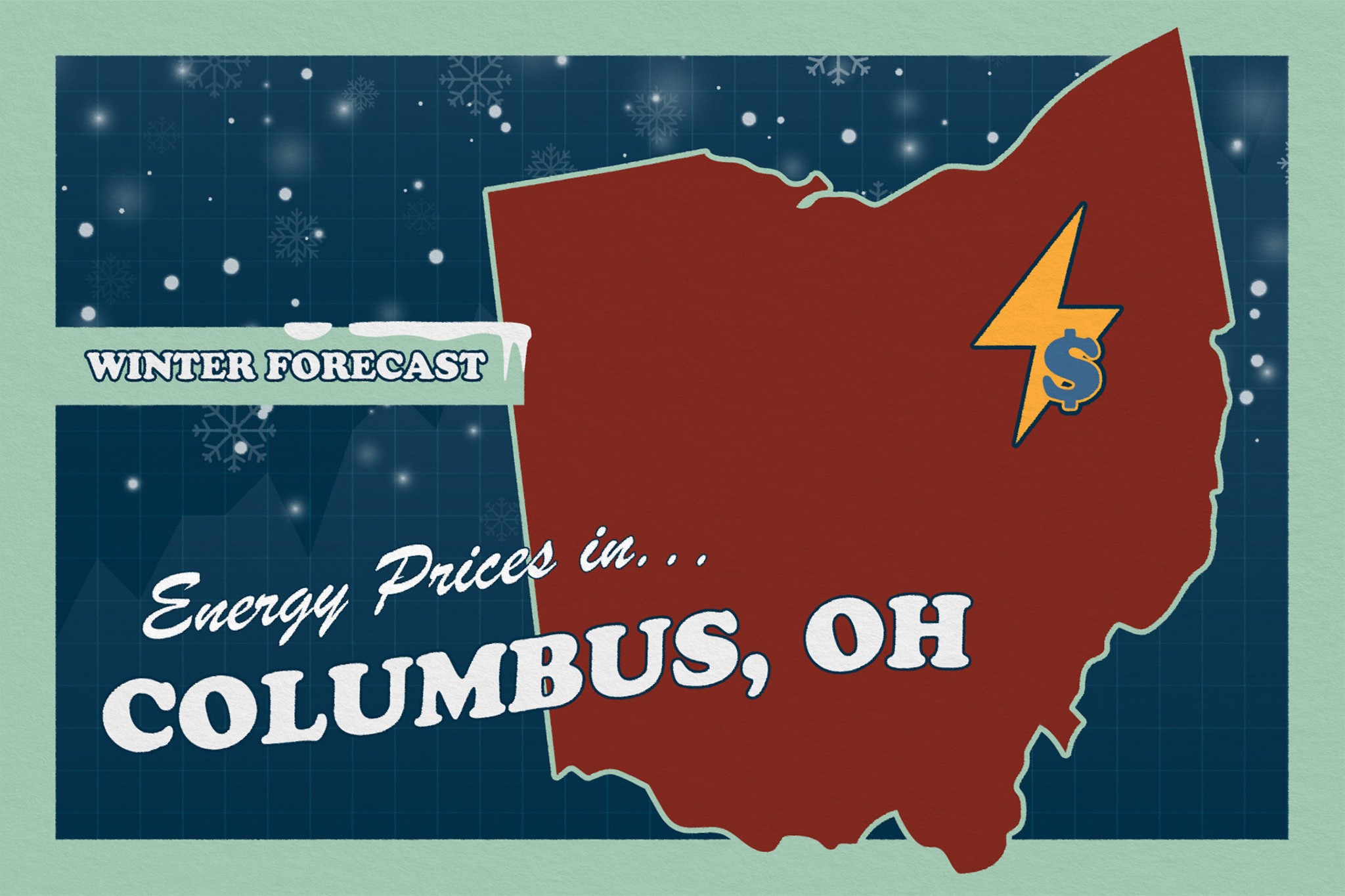
As winter approaches and temperatures drop, Americans are paying steeper bills than last year just to heat their homes. Third Way research shows Ohio households will pay almost $1,000 for their electricity this winter. For households relying on heating oil, it could be thousands of dollars more than they paid last year.
Facing record-high energy prices driven by the war in Iran, data center growth, electrification, and an aging grid, people across the country are wondering whether they’ll get relief or be left out in the cold.
New analysis from the National Energy Assistance Directors Association (NEADA) projects winter heating costs will rise by almost 9% this winter compared to last year, more than double the national inflation rate. In Ohio, that could mean a household electric bill as high as $230 in January. Warmer temperatures from El Niño could provide some relief. That will not be the case next year.
For customers in Ohio relying on heating oil, the forecast is particularly grim. Our analysis of Energy Information Administration (EIA) data shows that those households will pay almost twice as much as last winter. For small homes, that means an additional $1,000 for a typical amount of heating oil. For larger homes, it’s over $3,000 in additional costs.
In a state like Ohio, where almost 11% of the population lives below the national poverty line and nearly 75,000 households rely on heating oil, these substantial price hikes are alarming.
Clean Energy Solutions
Rising energy costs are a compounding problem, and ratepayers have waited too long for meaningful policy action. Federal, state, and local governments should work together to expand generation and improve our aging grid. Instead, the Trump administration has made it significantly harder to meet rising energy demand, and the war in Iran has driven up prices for gasoline, diesel, groceries, flying, and more. But even if the conflict ends tomorrow, EIA’s national forecast still predicts winter heating prices will be 34% higher than last year.
A diverse energy mix and increasing clean energy deployment would be a practical fix to these problems. Clean energy sources like wind, solar, and batteries take less time to build and aren’t subject to the same kind of volatility as natural gas. But the Trump Administration has stymied clean energy deployment by undermining financing for clean energy, imposing administrative roadblocks that delay project reviews, and formally deprioritizing low-cost resources like solar and wind in federal directives.
By some estimates, the Trump administration has canceled or blocked 22 GW of clean energy deployment from coming online. To put that in perspective, the number of projects canceled in Q1 of 2026 alone could power between 2 and 3 million homes and businesses each year.
For Ohioans, the consequences of cuts to clean energy are personal. Electricity prices in Ohio have increased 63% since 2021. PJM, Ohio’s primary utility, has prioritized fossil fuel deployment over a diverse energy mix. Additionally, hundreds of energy projects are waiting to plug into PJM’s grid, much of it low-cost solar and battery storage.
It’s normal for energy prices to rise over the winter, and this one may be mild. But the current pressures on our energy sector, combined with recent federal policy failures, mean consumers will not get the relief they need. Accelerating clean energy buildout can mitigate rising prices and protect customers from unreasonable costs in cold winter months.





Downloads
Latest Publications
Winter Forecast: New Analysis Shows Maine Should Expect Extreme Price Spikes, Nearly $1,000 In Electricity Costs
Building More While Paying Less: The State-by-State Savings from Permitting Reform
On the Grid: (D.R.E.A.M.) Dems Rule Everything Around Me
Polling: Americans Want Permitting Reform
Never Miss an Update
Sign up for updates on the pragmatic, center-left ideas shaping the future of American policy.