On the Grid: Straight Outta Capacity

Hi Friend!
Welcome back to On the Grid, Third Way’s bi-weekly newsletter, where we’ll recap how we’re working to deploy every clean energy technology as quickly and affordably as possible.
We’re excited to have you join us!
After years of flat demand, the US power grid is facing a surge in electricity use and, in many places, rising utility bills. This shift is being driven by a mix of forces: reshoring manufacturing, widespread electrification, and, increasingly, the rapid growth of AI. As companies race to build out data centers, utilities are being asked to deliver large, concentrated loads on timelines the system was not designed for. The result is a grid that is being pushed to deliver more power, in more places, often faster than new generation and transmission can be planned, permitted, and built.
Who's Paying for This Growth? In some states, policymakers are weighing whether or not new data centers should be limited, delayed, or required to cover a greater share of the costs they impose on the grid. The concern here is pretty straightforward: large new loads, like data centers, can require new infrastructure. If the system isn't set up to allocate those costs cleanly, existing customers will end up paying more. From there, it's a short leap to a broader conclusion that if data centers are driving up prices, then we should build fewer of them. It's a tempting argument, but it's also the wrong one.
A Supply Problem, Not a Data Center Problem: Data centers are not the root issue so much as they are revealing a grid that was not built for this moment of surging demand. Restricting buildout won’t solve our electricity shortage. It simply rations access to the limited power we do have instead of increasing supply. There's also a competitiveness angle that’s critical to understand. Demand for AI and cloud computing isn't going away. If the US makes it harder to build the infrastructure to support it, that investment–and the economic activity that comes with it–will move elsewhere, namely, to China.
What Solutions Do We Have? Americans are deeply worried about data centers, but that itself is not an argument for banning data centers–it's an argument for better policy design. Utilities and regulators need to be more precise in how they plan for large loads, allocate costs, and connect new demand to new supply. Our new memo outlines what tools we have on the table, including:
- Ensuring that data centers pay their fair share for the energy and infrastructure required to serve them;
- Bringing additional generation and capacity onto the grid;
- Strengthening large-load interconnection requirements;
- Expanding the use of direct contracting or "bring-your-own-power"-style models;
- and updating rate structures so that existing customers are not inadvertently subsidizing new demand.
These are solvable problems. But they require engaging with the complexity of a changing power system, rather than trying to avoid it by restricting demand. With US hyperscalers expected to invest at least $500 billion annually in data centers and the energy to power them, the opportunity is clear. The task now for policymakers is to ensure that investment delivers public benefits, not just private-sector returns.
What Comes Next? Recent Third Way polling finds that while voters are wary of data centers and think they are raising electricity prices, they do not widely support banning them. At some level, voters recognize that this infrastructure is tied to economic growth and technological leadership, even if the costs are not yet well managed. That instinct is right.
Our team is working to identify opportunities to better align cost allocation, grid planning, and economic growth so that this moment of rising demand translates into a stronger, more resilient power system. Affordable electricity and data centers are compatible goals, but only if we choose to build the system that can deliver both, rather than cede that ground to others.
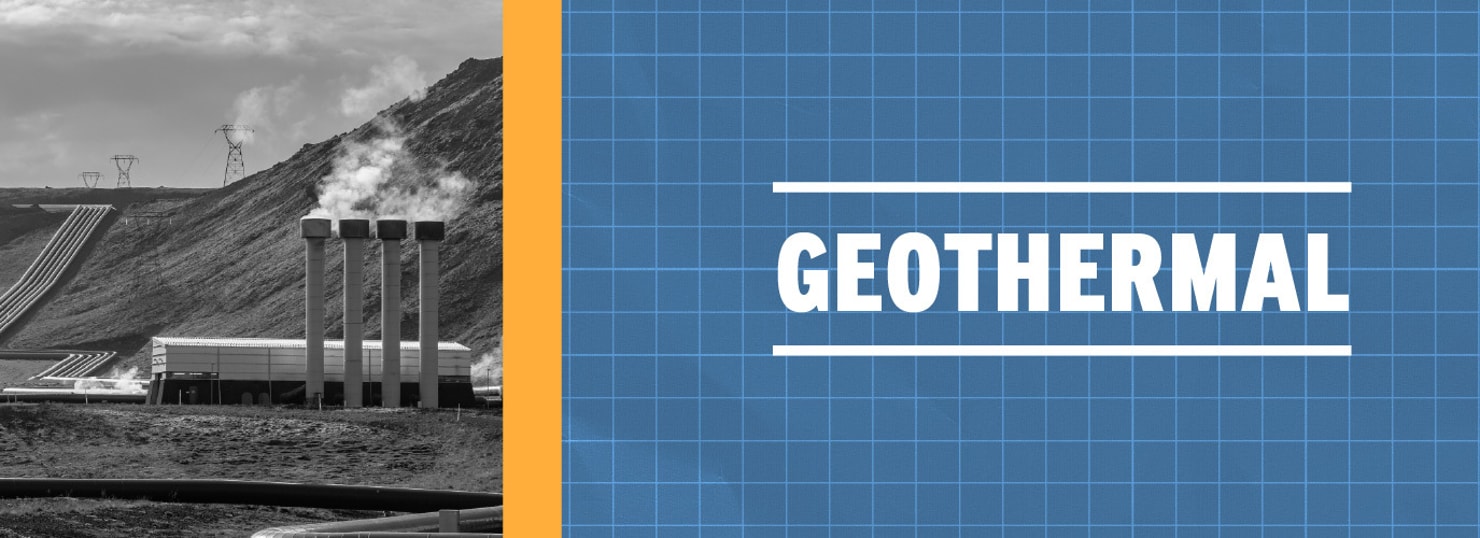
One of the most common questions in energy policy is what happens to oil and gas workers if there’s a slump in oil and gas jobs. While this is often framed as a future problem, for many workers, it’s already well underway.
Despite record US oil and gas production, domestic employment in the industry has declined by more than 252,000 jobs over the past decade. US production has actually grown over that period–it's just doing so with fewer people. Automation, remote drilling, and more efficient rigs have fundamentally changed the labor equation.
An easy trap right now–amid a war in Iran that is threatening global oil supply–is to assume that higher prices will automatically translate into a domestic job boom. Even in a high-price environment during a global supply shock, the US can ramp production without rehiring at anything close to past levels. Which brings us back to the central question: what happens to the oil and gas workers who are being engineered out of the system? That's where geothermal energy comes in.
Geothermal as a Workforce Strategy: Geothermal development relies on the same core capabilities as the oil and gas industry: drilling deep wells, managing subsurface conditions, and operating complex field equipment. As energy demand continues to rise, scaling geothermal creates new opportunities for workers with this skillset, drawing on an existing workforce.
Research commissioned by Third Way from the Louisiana State University Center for Energy Studies (LSU-CES) finds that nationwide geothermal deployment could support between 7,400 and 39,400 construction jobs, and 6,500 to 24,200 operations and maintenance jobs annually by 2050.
At a moment when the traditional energy sector is becoming more efficient–and less labor-intensive–that kind of demand matters.
What's Next? Geothermal has the potential to do two things at once: help meet growing energy demand and create new opportunities for a workforce the current system is already shedding. Realizing that potential will require making it easier to build.
That starts with streamlining slow permitting processes that delay projects–improving agency capacity, setting clearer timelines, and modernizing geothermal leasing can help move projects forward more quickly. It also requires sustained investment in research, development, and demonstration to help expand geothermal to more parts of the country. Financing remains another major constraint, with many geothermal developers struggling to access capital that aligns with their projects’ timelines and risk profiles. A broader set of federal financing tools can help more projects get off the ground. Finally, there’s the question of where to build. One of the biggest barriers to geothermal expansion is the cost and uncertainty of identifying viable resources. Expanding efforts like the Earth Mapping Resources Initiative can reduce that risk and help developers identify promising sites more quickly. Our team will continue to engage across these fronts.
The clean energy innovation conversation is expanding…and so are we! The Climate and Energy Program is looking for people with talent and a passion for climate solutions to fill a new role on our team:
Third Way is also seeking a consultant (or a small team) to support research and convening focused on early-stage venture capital and US energy innovation. Know research shops, independent consultants, or practitioners at the intersection of climate tech, venture, and innovation policy? Reach out to Jonathan Lane ([email protected]) for more information.

- David Wallace-Wells, in the New York Times, examines how the war in Iran is reshaping global energy dynamics by driving up oil prices, reinforcing fossil fuel dependence, and complicating progress on clean energy.
- Heatmap News and MIT, in their new Electricity Price Hub, provide monthly estimates of residential electricity prices across the US, shedding light on the nation’s growing affordability crisis.
- Shayle Kann, on the Catalyst podcast series, talks with Scott Nolan, the CEO of General Matter, on the challenges of building a US nuclear supply chain, closing key domestic capability gaps, and navigating the geopolitics of nuclear fuel and critical minerals.

Downloads
Latest Publications
On Permitting Reform: How To Talk About BAAJA
Past the Pump: How Americans are Footing the Costs of Trump’s War of Choice
EIA is Under Attack. That’s Dangerous for the Entire Energy Sector.
On the Grid: PERMIT Me to Celebrate
Never Miss an Update
Sign up for updates on the pragmatic, center-left ideas shaping the future of American policy.