Blog Published March 9, 2026 · 6 minute read
Iran War Impacts: Energy Price Shock Raising Gasoline Prices
The Iran War So Far
Ten days into the war with Iran, the prevailing themes are escalation and magnitude.
Market reactions have quickly evolved from nervous caution to serious concern. American lives have already been lost. Iran has retaliated against more than 10 countries and several energy targets. Its new Ayatollah is a hardliner, even more so than his father and predecessor. To alleviate fears in the Strait of Hormuz, the Trump Administration has explored insurance for shipping companies and US Navy escorts for vessels.
As Third Way noted in our February 28 statement, the Trump Administration’s justifications for this conflict raised more questions than they answered. That remains the case today.
It’s hard to filter through the noise and predictions. There is one certainty - average Americans are already feeling the impact of this war.
Third Way conducted focus groups just before the war began. They revealed American swing voters see the Trump Administration’s foreign policy as unpredictable, incoherent, and embarrassing.
Democrats need to explain the consequences of President Trump’s war of choice to voters and demand accountability from the administration.
- Americans are already worried about the economy and prices. This war makes things more expensive.
- President Trump hasn't justified this war, hasn't stopped it from escalating, and hasn’t defined our goals or what constitutes victory.
- The damage is already bad. If the conflict goes on for weeks, it will get exponentially worse.
Let’s start with some key questions illustrating the different scenarios we’re facing.
How much will this war raise gas prices?
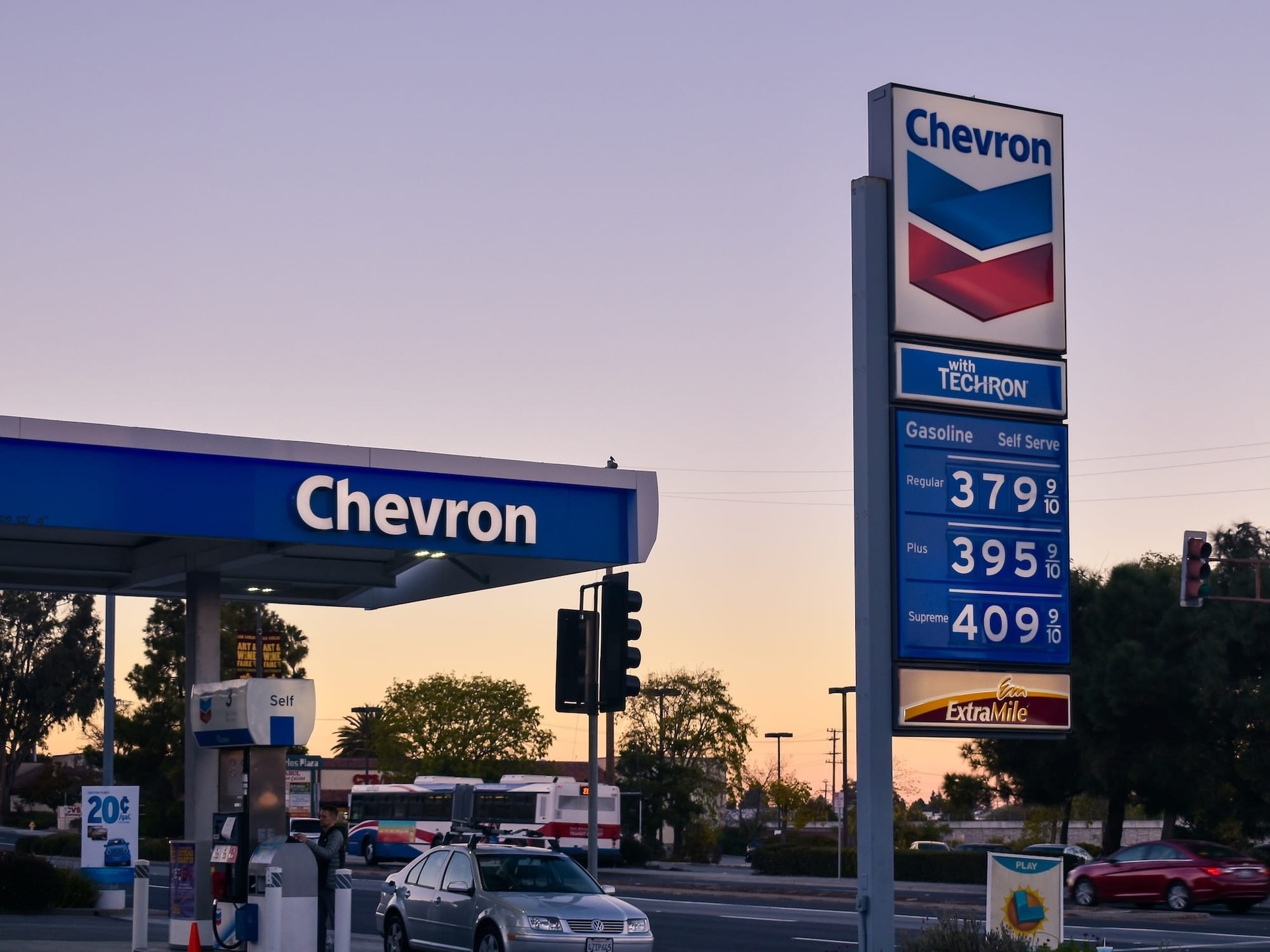
We do not know, but it is already having an impact. Between March 2 and March 9, the price of a barrel of oil jumped more than $30, from around $70 to over $100. The G7 is considering releasing petroleum reserves, but that is a short-term measure, not a long-term solution.
For context, a gallon of gasoline at the pump increases $0.30 to .50 for every $10 the price of a barrel of oil increases. You can track the price of oil here.
- The Wall Street Journal has already declared this the “most severe energy crisis since the 1970s.” Even if the Administration brings a rapid close to the conflict, the physical damage already done to infrastructure will take weeks to fully repair and even longer to return to normal operations.
- If the conflict lasts a month or more, as the President and Defense Secretary Hegseth have recently suggested, the oil shocks will be more severe.
- If the conflict persists, either due to a desire by the Administration to continue prosecuting the war or events spiraling out of its control, it could dampen consumer spending, increase inflation, and slow economic growth. Together, these factors make recession a risk.
How long will this war last and how much will it cost?
The official statements on this keep changing. But the idea that this military action would end quickly, as with Venezuela, has been erased. On cost, there is no one number, but estimates are in the billions already.
- President Trump has said the war could last for 4–5 weeks.
- Reported estimates from the Pentagon show the war costs $2 billion a day, and Congress expects requests for tens of billions more in supplemental funding.
- Because of Iran’s attacks on hard energy assets, like natural gas facilities and ports, the energy price shock is more widespread than during past conflicts. This means possibly exceeding historical benchmarks.
When will average consumers feel the effects?
- Changes to wholesale gasoline prices can take a week to show up at the pump. As of March 9, we’re over $100 per barrel. Wholesale gasoline prices suggest we will see $4 per gallon at the pump very soon, maybe higher.
- If oil hits $125 per barrel, without intervention gas prices could rise to $5 per gallon.
Just Last Week
In the face of speculation, it’s important to remember how quickly this war is moving. Consider how much things changed in just one week:
Monday, March 2
This is Day 3 of the war with Iran. WTI crude oil, a primary benchmark of oil prices, jumps by more than $5 a barrel.
One of Qatar’s LNG facilities, the largest export facility in the world, is hit by an Iranian drone. European gas prices surge by 54%.
China, Iran’s top trading partner, calls for the safe passage of ships through the Strait of Hormuz. But Iran threatens to “set on fire” any ships that try. That represents 20% of the world’s oil supplies.
Wednesday, March 4
Things move quickly throughout the day. Initially, speculation on oil and gas slows down, though April contract prices creep up.
Between the lost LNG output from Qatar and the trickle of oil moving through the Strait, it’s hard to see how prices won’t go up. Asia particularly feels this pressure.
By afternoon, US wholesale gasoline prices jump 2.5% and analysts fear pump prices reaching $4 if things persist.
Friday, March 6
Day 7, one week of war. Prices and benchmarks continue moving up. The Trump Administration has eased restrictions on India buying Russian oil.
Qatar’s energy minister fears weeks of disruption to its output and $150 barrels of oil. Supplies are tightening.
President Trump demands unconditional surrender.
Sunday, March 8
Oil prices surge to over $100 a barrel as Iraq announces it is cutting production by two-thirds due to lack of storage. Kuwait, Abu Dhabi, and Saudi Arabia also announce they are considering curtailing output.
The son of Ayatollah Ali Khamenei, Mojtaba Khamenei, is chosen as the new leader of Iran.
The Weeks Ahead
The start of this conflict left us with more questions than answers. That’s true for what will happen next.
The most recent US jobs report shows a loss of 92,000 jobs. If this war continues for weeks or months, how will those numbers collide with an oil price shock? With inflation?
There are reasonable concerns about the legal justification for attacking Iran, war powers, and the geopolitical uncertainty. But Democrats need to focus on the anxieties of actual voters wondering how the war with Iran will affect their families, the prices they pay at the pump and elsewhere, and what this war of choice will do to America’s economy.
Third Way will continue to track the effects of this conflict on international and domestic markets and provide updates on what it means for American voters.