Help Small Businesses Endure March Madness
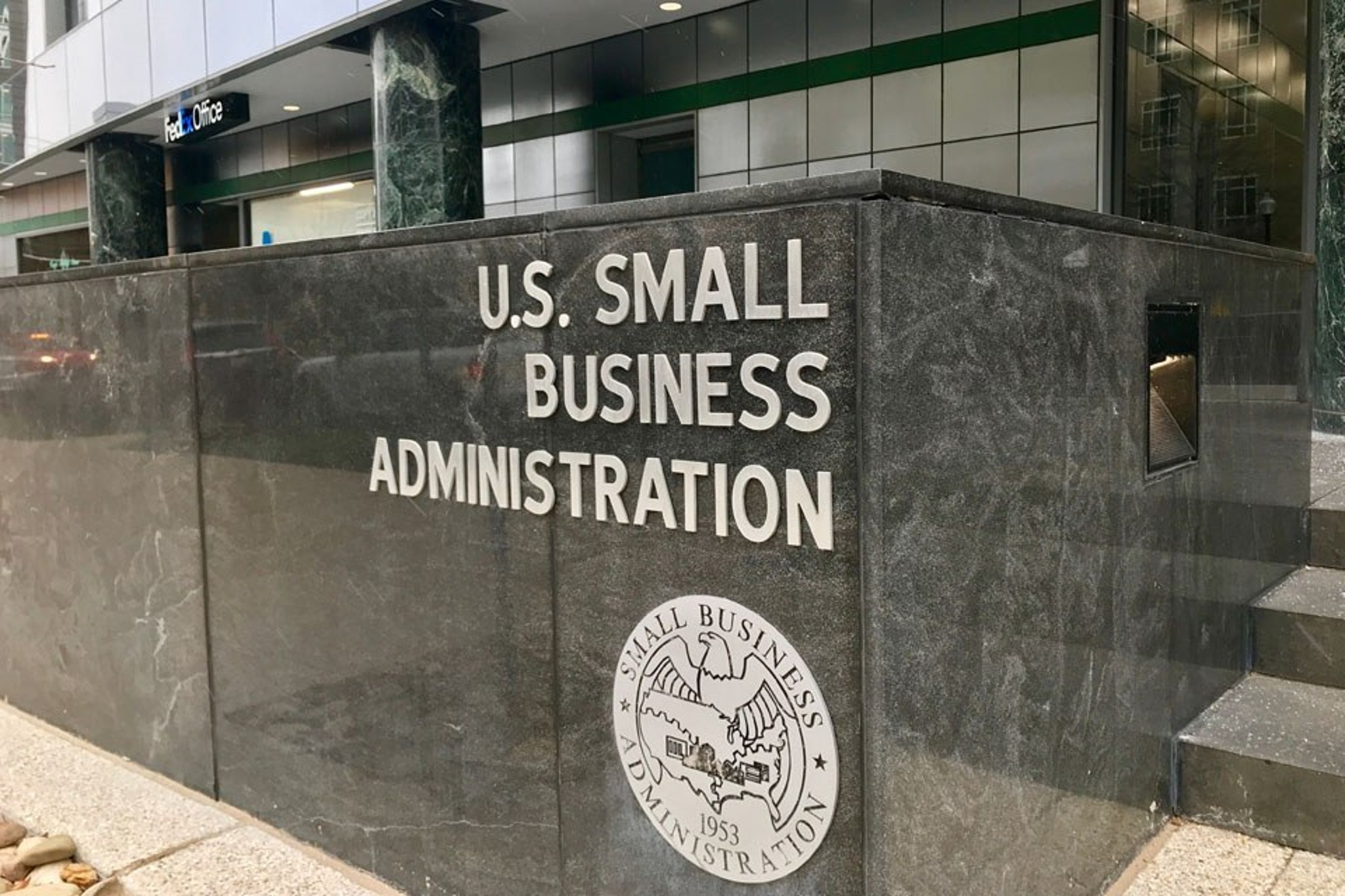
March will be madness on Capitol Hill with the Senate in session for five straight weeks and the House of Representatives in for four-of-five. During that time, small business issues will be at the forefront. Legislation will get sorted out on how we can compete with China, including steps needed to help businesses produce more in the United States and deal with labor shortages. The government funding debate will include discussion around whether small businesses need additional pandemic relief. Oversight hearings will investigate everything from small business contracting to the Paycheck Protection Program. And Democrats in the Senate will continue to push intransigent Republicans to confirm Dilawar Syed, President Joe Biden’s incredibly talented nominee to be deputy administrator of the US Small Business Administration.
The attention on small businesses isn’t coming a moment too soon. The number of new business applications reached a new high of 5.4 million in 2021, but small businesses helmed by women and people of color continue to face structural hurdles. A new report from the Alliance for Entrepreneurial Equity, a joint effort between Third Way and the National Urban League, explains how.
Pulling from the Federal Reserve’s biennial Small Business Credit Survey and additional data from the US Census, the report highlights that white-owned businesses are 2-3 times more likely to receive all their requested financing compared to Black- and Hispanic-owned businesses. Black- and Hispanic-owned businesses are also far more likely to get shut out of financing completely. And venture capital continues to bypass minority-owned businesses as Black and Hispanic female founders received less than half a percent (0.43%) of total venture capital investment.
It's not just capital. Women-owned small businesses only get 5% of federal contracts, and minority-owned businesses only get 4-10%. In some states, government agencies do less than 1% of business with minority-owned companies. And during the pandemic, Black-owned businesses closed at twice the rate of their non-minority counterparts.
With barriers like that, it’s no wonder that only 2% of businesses with employees are Black-owned, 6% are Hispanic-owned, and men own three times the number of small businesses than women.
We must turn this dynamic around and dramatically increase the opportunity for minority and female entrepreneurs to start and expand successful businesses. There’s unfortunately no silver bullet to accomplish that, but there is one thing that the Senate can do immediately: confirm Dilawar Syed, President Joe Biden’s nominee to be deputy administrator of the US Small Business Administration (SBA).
It’s absurd to hamstring an agency that is leading the federal charge on providing financing for small businesses, supporting entrepreneurial development, and increasing contracting opportunities for American small businesses. What’s even more unconscionable is that Republicans are blocking Syed’s confirmation due to “constantly shifting reasons” and “flagrant anti-Muslim animus.”
Republican opposition is even more outrageous when one examines how qualified Syed is. He has built and scaled businesses across numerous industry sectors, from technology to health care. His work has transformed the way small businesses engage customers. And his civic efforts as the founding Chair of the California Entrepreneurship Task Force focused on economic growth and entrepreneurial equity.
There are plenty of hard issues for Congress to tackle in March. Let’s stop stalling on the easy ones. It’s time to confirm Dilawar Syed.
