Memo Published October 1, 2026 · 5 minute read
End the Ticket Trap
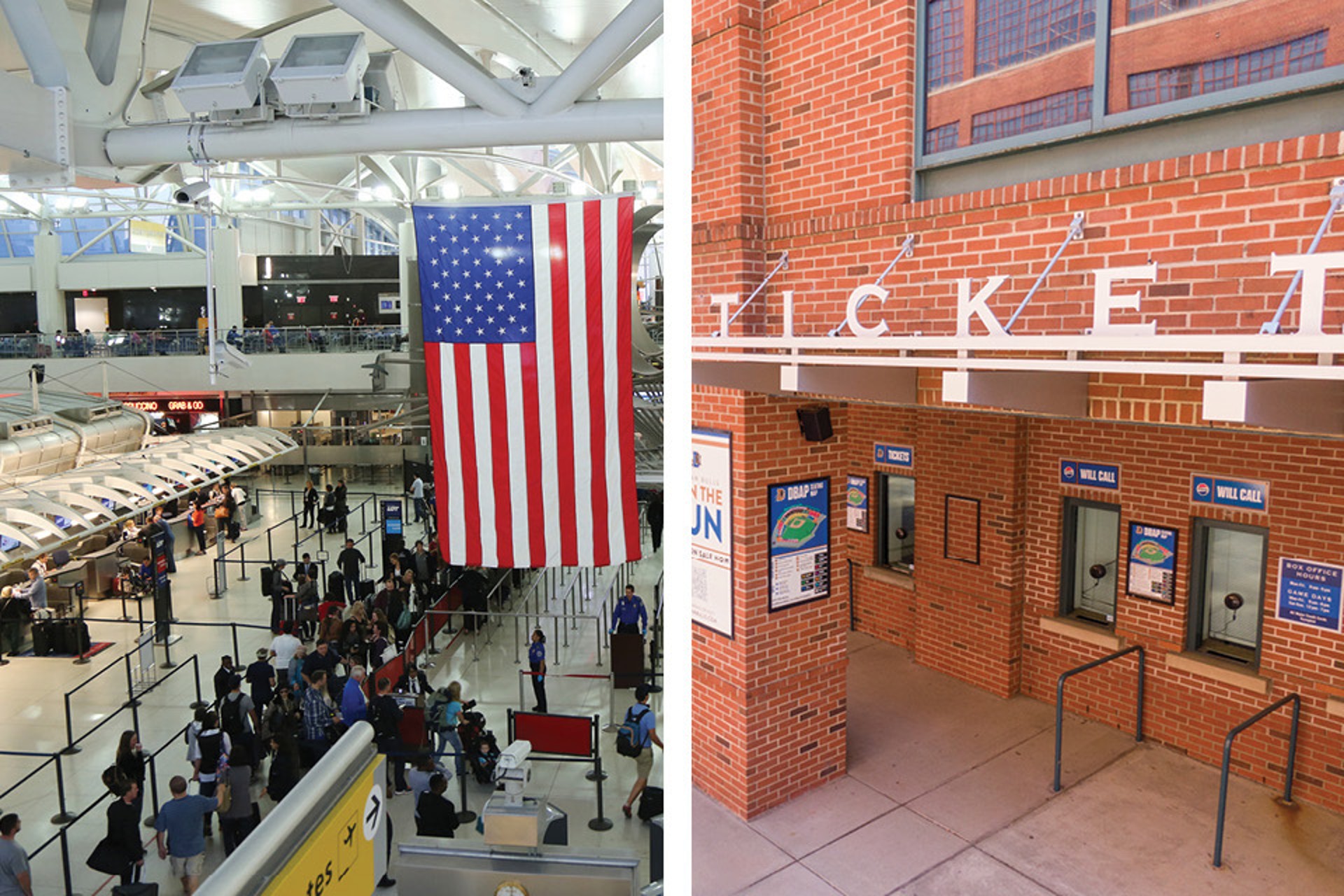

Americans are spending more than ever to make memories that matter. Every year, families save for vacations, concerts, sporting events, theme parks, and countless other experiences with the people they love. Last year alone, Americans spent $900 billion on domestic leisure travel, $19 billion on concerts, and $187 billion on subscription TV.1
Yet somewhere along the way, too many companies stopped competing to provide the best experience. They started competing to see how much more money they could squeeze out of customers after they had already clicked “buy.”
Nowhere is that more obvious than air travel. The $199 airfare somehow becomes $350 before checkout. Parents are charged extra just to sit next to their own children. When airlines cancel flights or cause lengthy delays, families are stranded, vacations are ruined, and passengers are left fighting customer service for refunds or accepting vouchers they never wanted. Other countries decided years ago that airlines should bear the cost when they fail to deliver. America still largely lets the airlines write their own rules.
Entertainment is often no better. Ticket prices for concerts and sporting events jump dramatically once mandatory fees appear. Streaming services offer promotional prices, then quietly raise rates months later through automatic renewals. Canceling a subscription is a maddening maze. Video games bombard families with in-game purchases, subscriptions, and confusing virtual currencies that parents struggle to navigate. Across the experience economy, too many companies have discovered that confusion is profitable.
This isn’t how competitive markets are supposed to work. Businesses should win customers by offering better products, better service, and better prices—not by hiding costs, trapping consumers, or shifting the consequences of their own mistakes onto families. In the past, Democrats took important steps by requiring automatic airline refunds and greater pricing transparency, but many of those protections have since been weakened or stalled. It’s time to go much further.
It’s time to end the ticket trap with a new, groundbreaking Experience Protection Act—a single national standard that establishes clear rules for pricing transparency, refunds, cancellations, and consumer protections across the travel and entertainment industries. Americans shouldn’t have to become experts in fine print just to take a vacation, attend a concert, or watch a game. They have earned those protections. It’s time the law caught up.
The Experience Protection Act
The Experience Protection Act would establish one national standard for how Americans are treated when they spend their hard-earned money on experiences. Whether booking a flight, buying concert tickets, or signing up for a streaming service, Americans deserve the same basic protections: honest prices, clear terms, easy cancellations, prompt refunds, and accountability when companies fail to deliver.
This would have two components:
Part I: Fair Rules for Air Travel and Hotels
Whether reserving a flight or a hotel room, Americans deserve to know what they’ll actually pay before they click “buy” and to be treated fairly when a company fails to deliver. Congress should establish a clear set of national rules that put travelers back in control.
The Experience Protection Act would:
- Require honest travel pricing. Airlines, hotels, and lodging should display the full price—including all mandatory taxes, fees, and surcharges—before consumers make a purchase. For airlines, that includes baggage, seat selection, changes, cancellation, and carrier-imposed fees. For hotels, this includes local taxes, “resort” fees, and other service fees.
- Keep families together. Children 13 and under should be guaranteed seats adjacent to a parent or accompanying adult at no additional charge. Congress already ordered this, but the rule hasn’t been finalized. It’s time to finish it.
- Make airlines pay when they fail. Building on the Flight Delay and Cancellation Compensation Act, introduced by Senators Ed Markey, Mark Kelly, and Richard Blumenthal (with companion legislation in the House), airlines should provide automatic cash compensation—not vouchers—for controllable delays and cancellations. Compensation should increase with the length of the delay, and passengers stranded overnight should automatically receive meals, lodging, and transportation.
- Get passengers where they need to go. Airlines should automatically rebook travelers on the next available flight—even if that’s on another carrier. Families shouldn’t be forced to navigate the system on their own.
Part II: Fair Rules for Entertainment
The same practices that have made travel so frustrating are increasingly spreading throughout the entertainment industry. Companies are hiding the true price, making subscriptions difficult to cancel, and writing one-sided rules that leave consumers paying more while receiving less. Americans deserve a common set of protections across the entertainment marketplace.
The Experience Protection Act would:
- Require honest pricing. Concerts, sporting events, streaming services, pay-per-view events, and other entertainment purchases should display the full price—including mandatory fees—before consumers commit to buy. The House has already passed a version of this in the bipartisan TICKET Act.
- End ticket scalping for profit. Tickets for concerts, sporting events, and other live entertainment should not be resold above their original price, except for a reasonable, capped service fee. Resale platforms should be required to enforce the limit so that professional scalpers can’t buy up tickets and price ordinary fans out of the experiences they love.
- Make subscriptions easy to cancel. Companies should be required to make canceling a subscription as simple as signing up through a nationwide click-to-cancel standard.
- End surprise renewals and price hikes. Consumers should receive clear disclosure of promotional pricing, renewal dates, future prices, and advance notice before any automatic price increase takes effect.
- Guarantee refunds when companies fail to deliver. Consumers should automatically receive refunds when concerts, sporting events, or other entertainment events are canceled.
- Protect children online. Establish basic federal safeguards for minors in online video games, including greater transparency around purchases and stronger protections against manipulative payment practices.
Americans don’t expect perfection. Flights will still be delayed, concerts will still be canceled, and technology will still fail from time to time. But they should expect a marketplace where companies compete by delivering better experiences—not by hiding fees, trapping customers, or shifting the costs of their own failures onto families. An Experience Protection Act would restore that basic bargain and ensure that when Americans spend their hard-earned money making memories, the rules are finally on their side.