Blog Published October 9, 2026 · 3 minute read
From Food Truck to Restaurant: What Los Valedores Tells Us About Hispanic Business
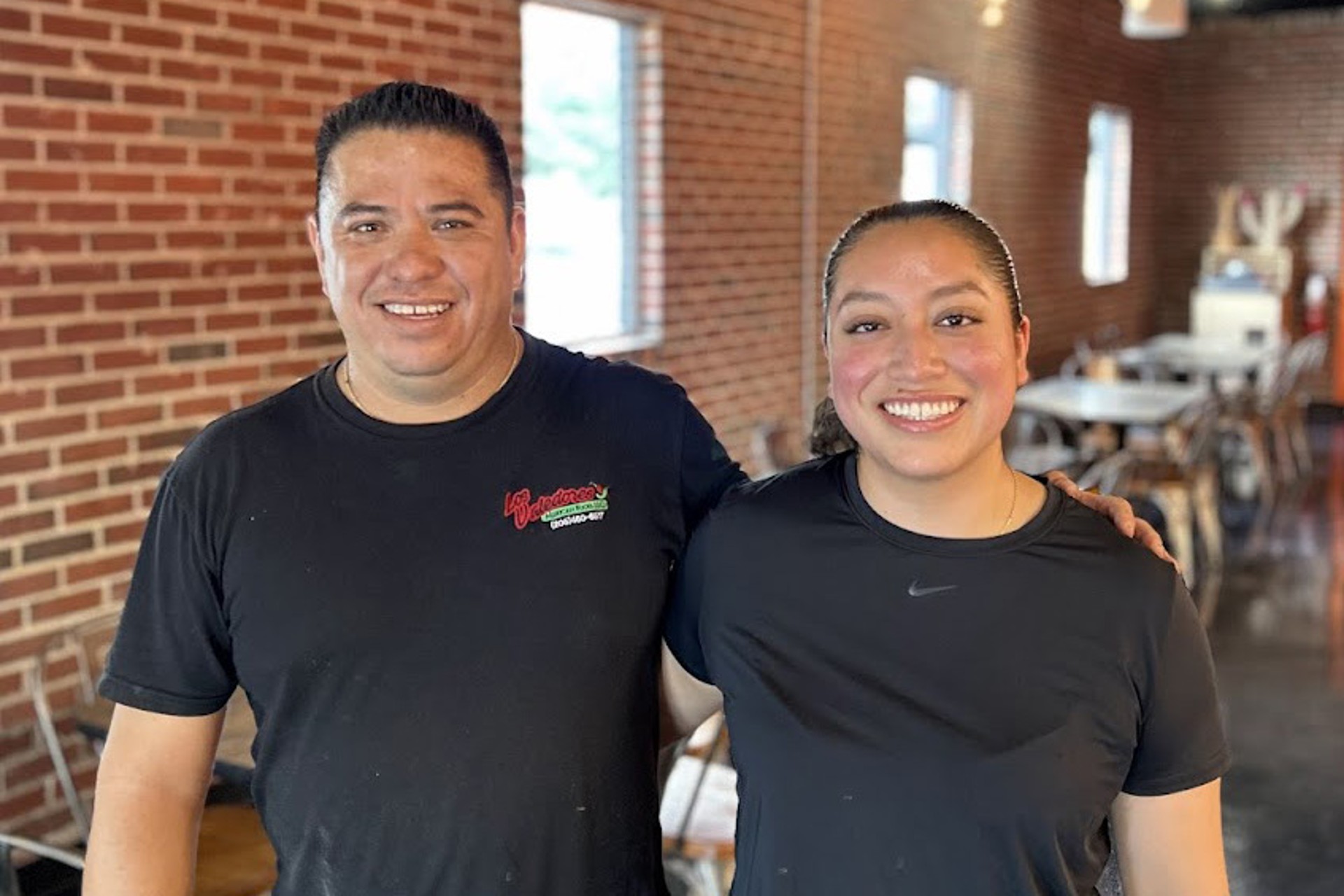
Hispanic entrepreneurship is growing rapidly across the United States. But as our State of Hispanic Business report finds, starting a business and successfully scaling one are two different challenges.
William Perez’s journey from restaurant worker to food-truck operator—and now restaurant owner—shows what that distinction looks like in practice.
After a restaurant where he worked closed, Perez faced a choice: find another job or build something of his own. He launched Los Valedores with a partner in 2016. When the early years proved difficult and his partner considered selling, Perez bought his share and continued with help from his wife and daughters.
Over time, the food truck developed a loyal customer base. That demand eventually led Perez to open a brick-and-mortar restaurant.
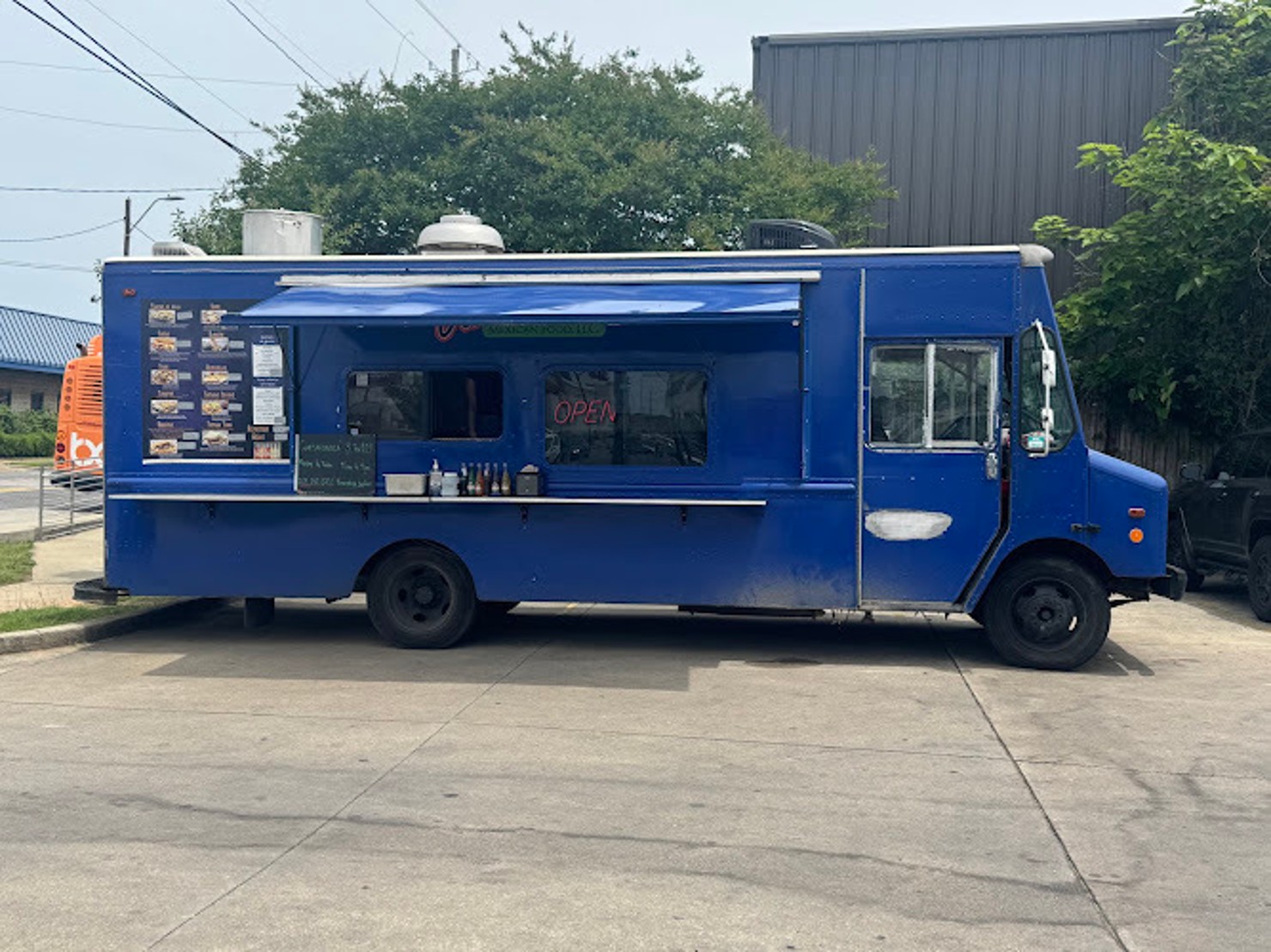
“I think you’re never ready. But the business grew, my customers grew, and we needed more space.” – William Perez
Perez’s experience reflects a central finding of the State of Hispanic Business report: Hispanic entrepreneurs are starting businesses at remarkable rates, but many encounter barriers when they try to grow.
From 2017 to 2023, Hispanic entrepreneurs created more than 173,000 new employer firms—a 54% increase. Yet more than 91% of Hispanic-owned businesses still operate without paid employees.
This illustrates the report’s “Scaling Gap”: strong business formation has not always translated into larger firms with more workers and revenue.
Los Valedores shows what can help a business cross that gap.
Perez opened his restaurant in the same area where the food truck had already built a following.
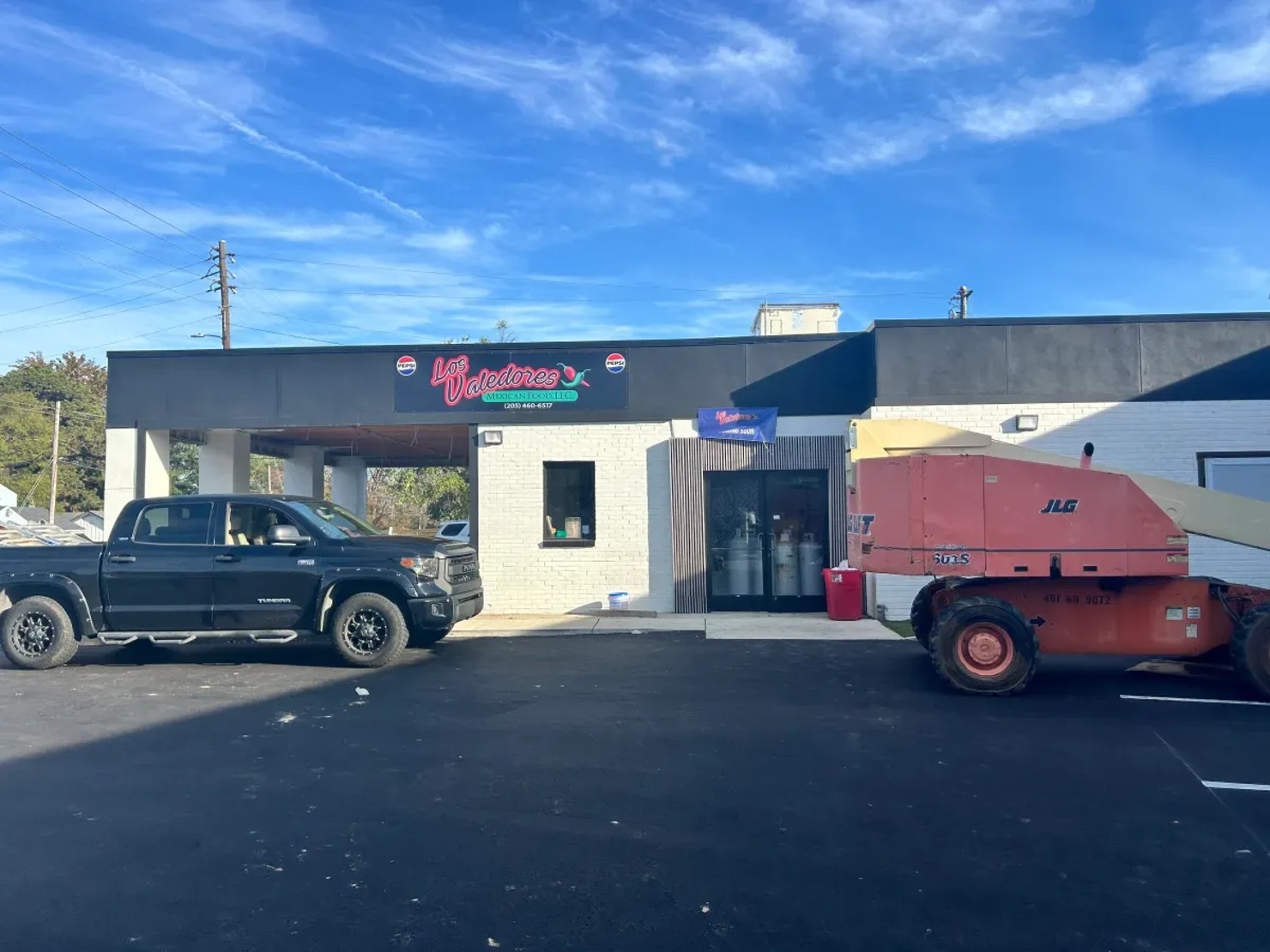
Watch William explain how his customers helped Los Valedores grow from a food truck into a restaurant here.
Financing also played an important role. Perez received support through ¡HICA!’s Camino Loan Fund, along with financing from a bank and Square.
That access is far from universal. Among firms seeking a loan or line of credit, only 33% of Hispanic-owned businesses received all the financing they requested, compared with 57% of White-owned businesses. Approximately one-third were denied financing altogether.
Perez’s experience demonstrates why community lenders and business-support organizations matter. They can provide not only capital but also trusted guidance and culturally responsive assistance.
When asked how policymakers could better support Hispanic entrepreneurs, Perez pointed to a barrier that economic data does not always capture:
“They can help us because a lot of Spanish people have a lot of ideas and they work hard, but sometimes they don’t know how to start.” – William Perez
Fear, language barriers, and unfamiliarity with financing can keep strong ideas from becoming sustainable businesses. Closing the Scaling Gap will require capital alongside accessible information, technical assistance, and trusted partners.
Los Valedores shows what becomes possible when entrepreneurial determination meets customer support and access to financing.