Blog Published January 16, 2026 · 5 minute read
Automation, Agents, Abundant Energy, and Accessories: 4 Takeaways from CES 2026

The Consumer Electronics Show (CES) is an annual convention showcasing the most cutting-edge technology in development. It’s an amazing opportunity to catch glimpses of the products soon to be on the market—and for policymakers to get a preview of what challenges lie on the horizon. While we rocketed back and forth between product demos, policy panels, and meetings with technology experts, four things stood out during this year’s CES.
1. Automation is Here to Stay
Walking the convention floor at CES, two categories dominated the products on display: autonomous vehicles and robots.
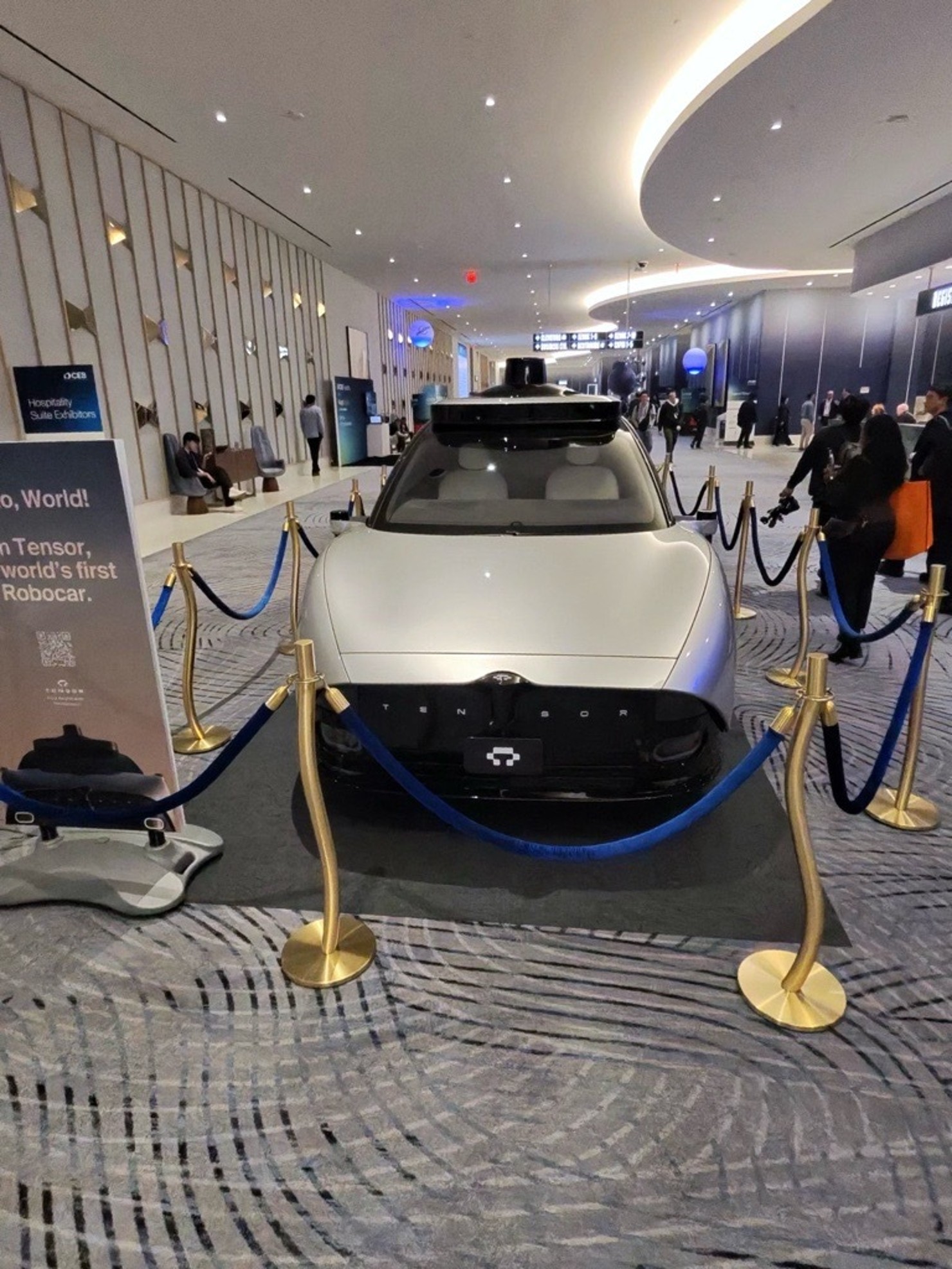
Many of these products are ready to use today. Residents and visitors in 11 cities (including Las Vegas, which hosts the conference) can hail an autonomous rideshare vehicle to get around. But passenger vehicles aren’t the only ones being automated. The CES floor show featured autonomous vehicles small enough to deliver a fast-food order, big enough to carry 40,000 pounds of freight, and specialized enough to plow a field on their own. Autonomous vehicles of all types are no longer science-fiction—they’re already on the ground, and they’re here to stay.
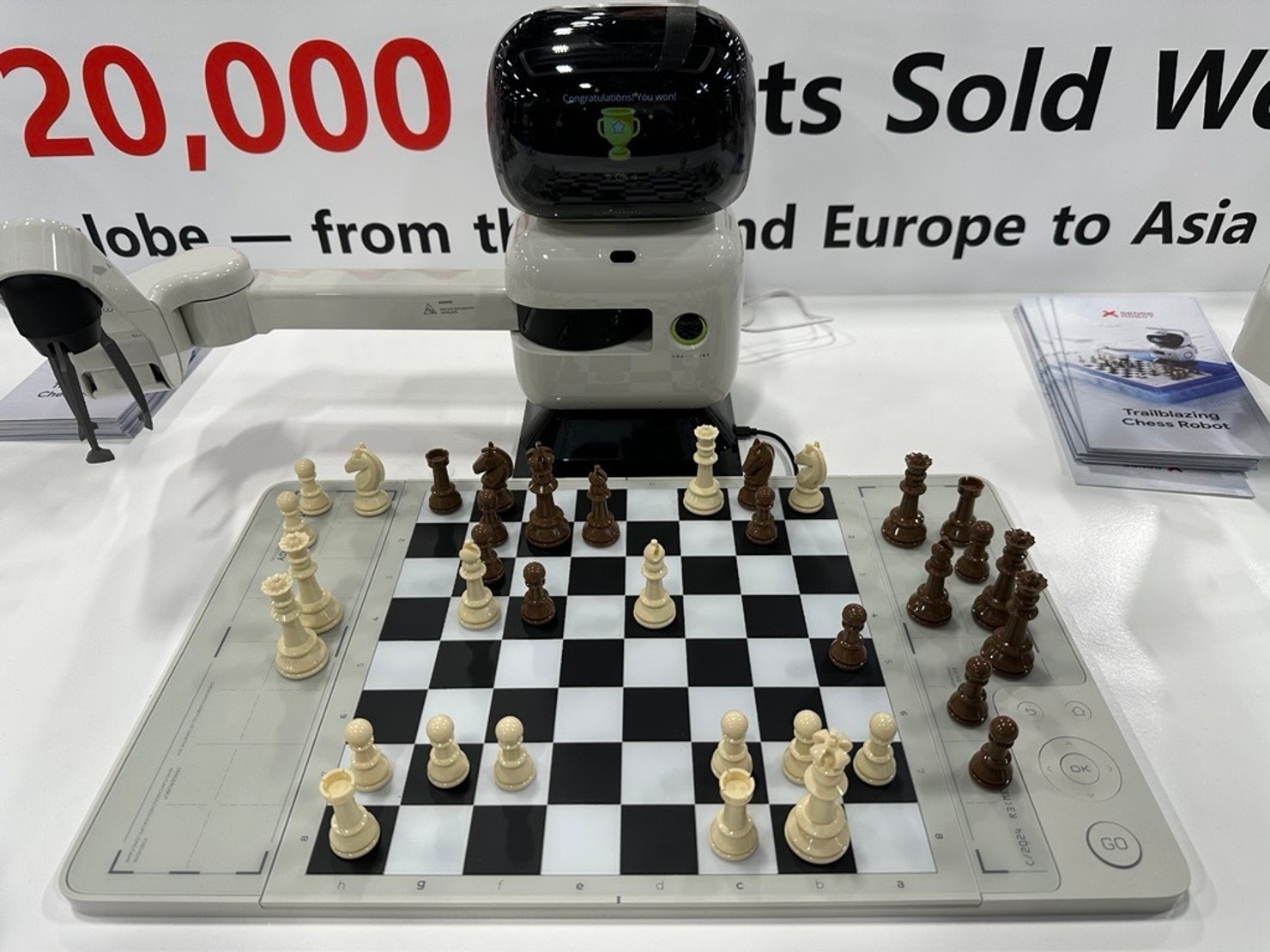
Similarly, robots capable of performing complex tasks have moved from hypothesis to reality. We saw robots mixing cocktails, cleaning toilets, folding laundry, and serving ice cream. We also saw robots that could interact seamlessly with humans, including one hosting a booth and answering questions by itself and another playing chess with a mechanical arm.
The advancements in autonomous vehicles and robotics present enormous opportunities to make risky environments (like roads and warehouse floors) safer, but they also bring concerns about job displacement. Policymakers need to think seriously about how to prepare humanity for the workforce of the future as well as how to modernize and strengthen the safety net to make sure workers aren’t left behind.
2. Agentic AI is The Next Big Leap
Panelists were abuzz about the potential of agentic AI—systems powerful enough to plan and carry out tasks on their own. For individual users, that could mean personal assistants to handle administrative tasks, pay bills, or book vacations. At the enterprise level, the implications are even broader. The conference promised agents capable of handling routine work, executing ad buys independently, or automating supply chain management.
For now, that promise remains hypothetical. The technology is not reliable enough for mission-critical tasks yet, but it’s improving quickly.
If the industry’s predictions bear out, agentic AI will force policymakers to confront a new set of thorny questions: Who is responsible when an AI agent takes an action? Can existing regulatory frameworks in highly regulated sectors (like health care and financial services) adapt quickly enough to manage new risks? And will legacy rules inadvertently block consumers from benefiting from these tools? More fundamentally, how do we ensure that increasingly autonomous systems remain aligned with human values and interests as their decision-making power grows?
3. Abundant Energy is Within Reach
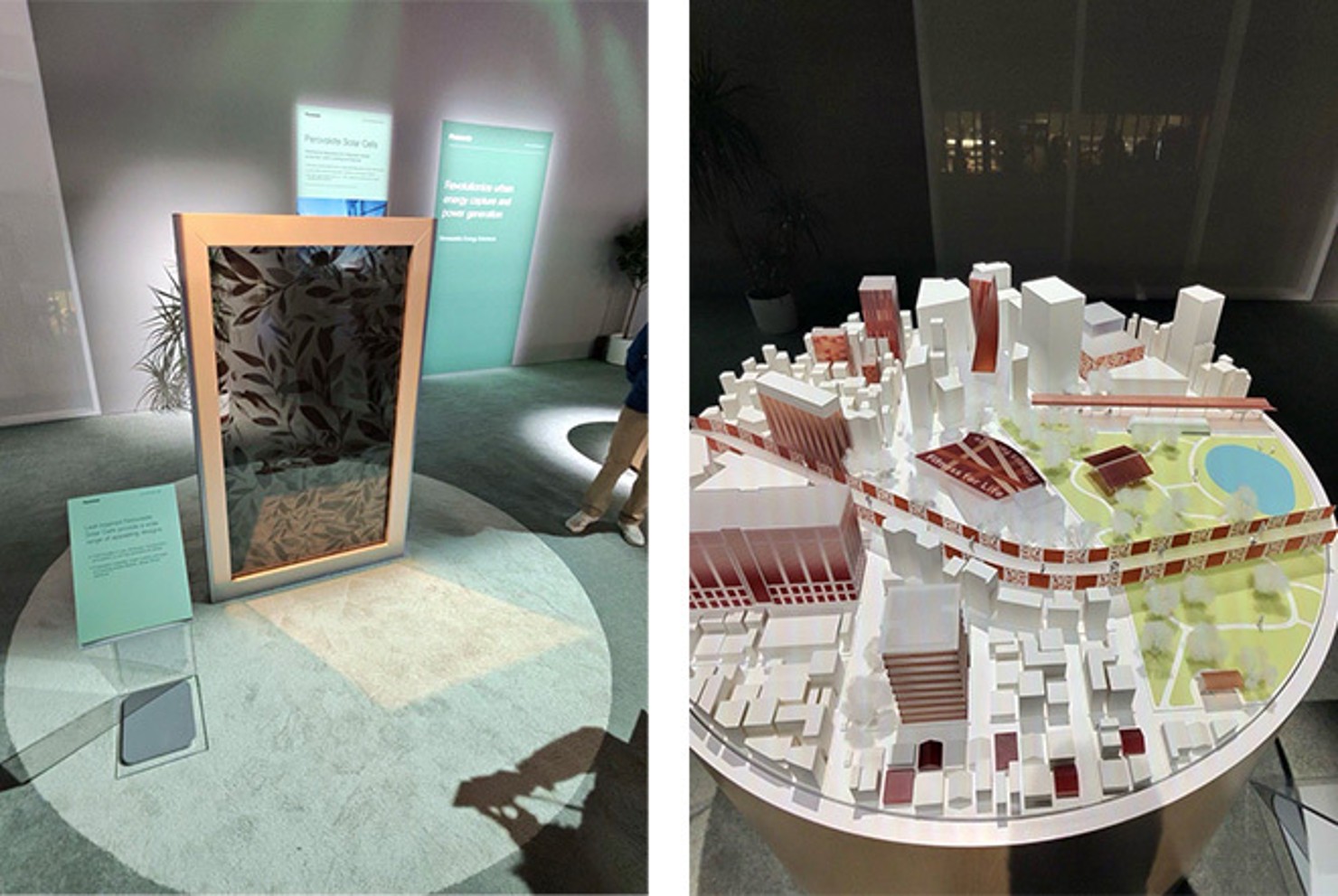
The scale of innovation on display only reinforced the urgent need for abundant energy sources. Thankfully, the conference also presented some novel solutions. Alongside autonomous drones and toilet-cleaning robots, attendees presented the technology needed to power them, from small modular reactors (SMRs), to next-generation batteries built from sustainable materials, to the expanded use of solar and wind power.
The importance of energy for continued innovation was driven home by state leaders. A panel featuring Governors Joe Lombardo (R-NV) and Mike Dunleavy (R-AK) saw both leaders pitch their states as ideal locations for data centers, in part because of their abundant energy sources. The federal government also has an enormous role to play in supporting the development of new energy sources and modernized transmission infrastructure. Policymakers should recognize that tech innovation can’t keep pace without significant investments in energy.
4. AI-Enabled Wearables Will Make Tech Tangible
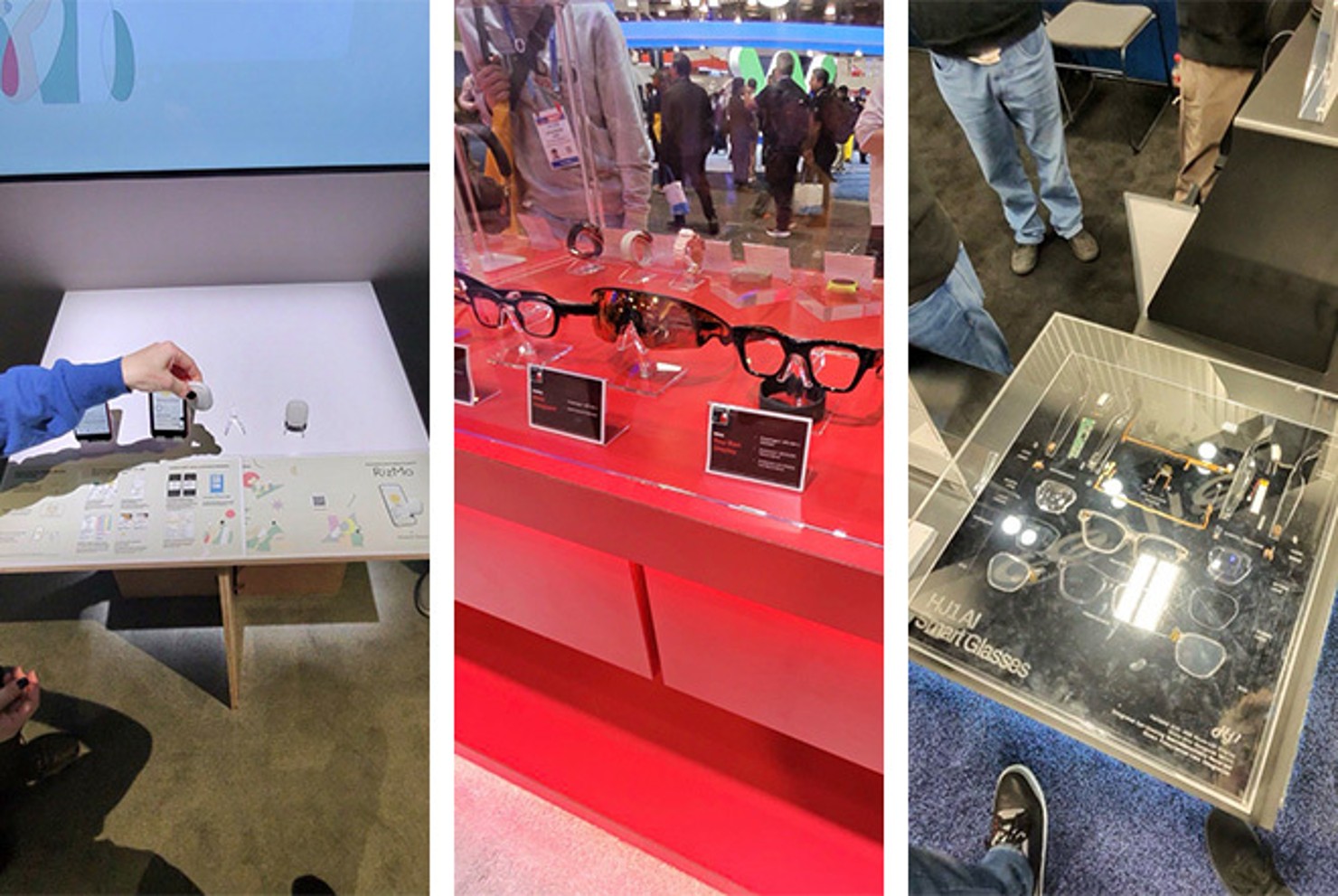
Several companies presented practical AI-enabled wearables, like discreet clips and rings that track sleep or menstrual cycles. The data these tools collect will shape the future of health care, but the failure to pass federal privacy legislation increases the risks.
One of the most popular types of wearables on display were smart glasses, including some with augmented reality (AR) displays. These devices are not just nifty gadgets but powerful accessibility devices—in-frame cameras allow the visually impaired to navigate the world with computer vision, and AR displays can enable those hard of hearing to converse with live in-lens transcription.
As this product category matures, more uses for it will arise, from mixed-reality games like Pokémon Go to specialized work applications that display relevant information as an employee navigates a shipyard or warehouse floor. These will present opportunities, challenges, new questions and—inevitably—unknown unknowns.
For example, can smart glasses reduce reliance on smartphones, or could they make screen addiction even worse? How can policymakers ensure that Americans are able to afford the health and accessibility devices they need? How should regulators navigate tradeoffs new devices present—like when someone with low vision and smart glasses wants to use facial recognition to identify their family and friends?