Climate & Energy Communications Cheat Sheet 9/21/18

Our thoughts remain with our friends and family in the Carolinas as they continue to endure the aftermath of Hurricane Florence. The extreme amounts of rainfall and some of the worst flooding in American history offers a glimpse of the damages we can expect under our changing climate change. They also highlight the ways that climate change can place the biggest burdens on those who are least responsible for causing it. On the brighter side, it’s clear from public polling that Americans are ready to rise to this challenge and transform our energy system in order to meet climate goals.
Americans want clean energy….and they want it now
Utility customers across the US want a clean, modern and practical approach to their energy, says a new study commissioned by Edison Electric Institute. In fact, of the customers polled, 51% are in favor of their bills rising as much as 30% if that means transitioning from fossil fuels to renewables. They seem equally receptive to using other emissions-free options in addition to renewables to cut carbon, as well. Qualitative research in Phoenix found customers who vehemently said: “We need to get off fossil fuels.” ICYMI: The report was released to Vox’s David Roberts and he explains the research here.
Talking Points
- Americans understand that climate change is the great moral challenge of our generation.
- Americans don’t want to hear that we cannot rise to this challenge but ARE responding to ‘can do’ answers from policymakers regarding transforming our energy sector to renewable and clean energy sources as a solution to climate change.
- Americans want solutions. But they are willing to let experts work out the details and are receptive to technology inclusive approaches.
- While 100% renewables are a priority for utility customers, when given an option, they understand that cutting emissions by any means is an even higher priority
- Research shows that clean energy makes the job cheaper and more likely to happen.
- This technology-inclusive approach is the trend among climate leaders like New York, Illinois, New Jersey, and even California.
Who Pays the Price?
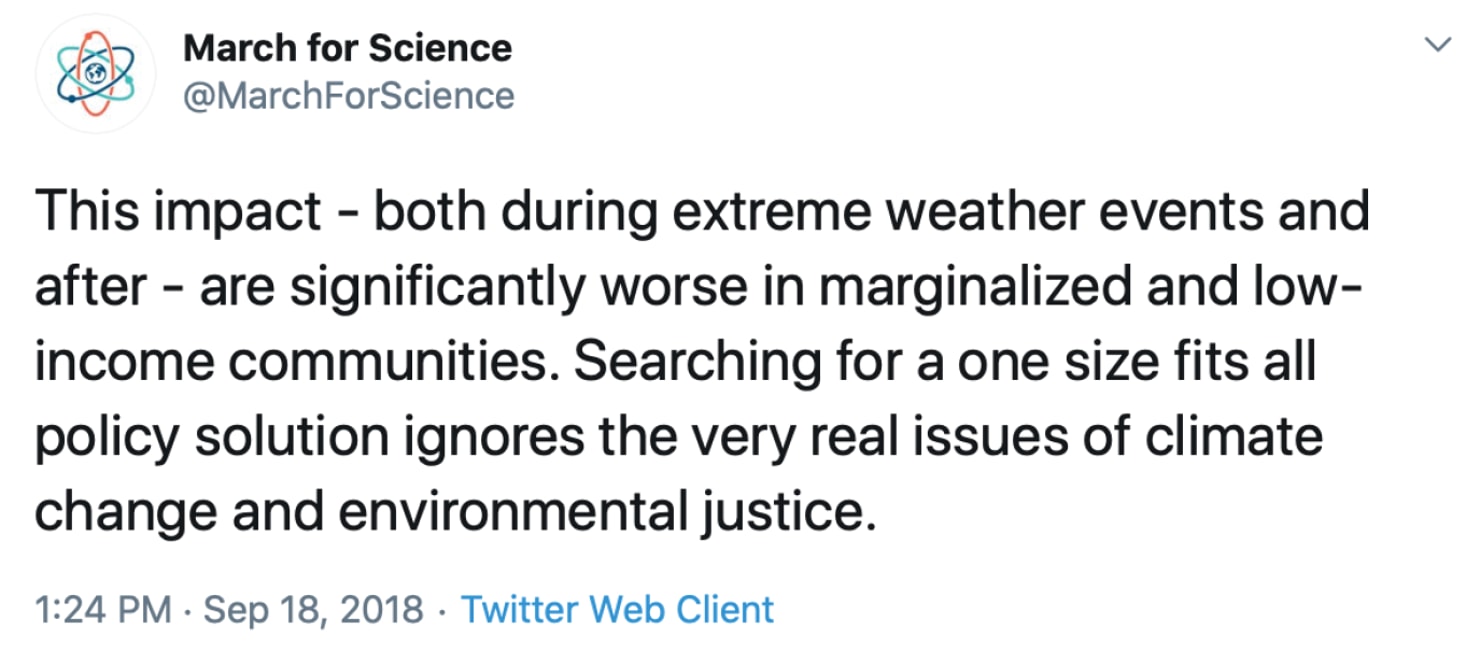
Potential spills of coal ash and animal waste and other harmful substances add to the list of things that the people of North Carolina may have to worry about long after Florence’s flood waters have receded. These events are more likely to affect low-income communities and communities of color in particular. This issue is not unique to the United States -- similar patterns of climate inequality are playing out around the world and the impact on these populations only grow larger as climate change continues to wreak havoc. ICYMI: Gavin Bade of Utility Dive reports on the coal ash spill in Wilmington, North Carolina, and Emily Atkin explores the uneven burden of climate change in The New Republic.
Talking Points
- If we don’t begin to take care of the problem of climate change today, billions of people in this country and around the globe will not only pay the economic cost but there will be a greater human cost.
- Climate change is the great moral challenge of this generation because it disproportionately affects the most vulnerable of people, largely due to systemic disadvantages that are beyond their control.
- This is emphasizes yet another burden of our continued use of coal and even more reason to transition to cleaner and more sustainable energy sources. In doing so, we need to carefully think about the unintended consequences from start to finish including making sure we have manageable solutions to the waste we produce in the process.
Sneak Peak
Third Way, alongside AFL-CIO President Richard Trumka and Deborah Wince-Smith, President and CEO of the Council on Competitiveness, will host an event on Capitol Hill to call attention to the need for federal policy to help reduce energy waste and emissions in the industrial sector--and the enormous benefits this would provide for the environment, economy, and workforce. The event will take place on Thursday, September 27 in Room 366 of the Dirksen Senate Office Building, and will feature a new report co-authored by the three organizations.
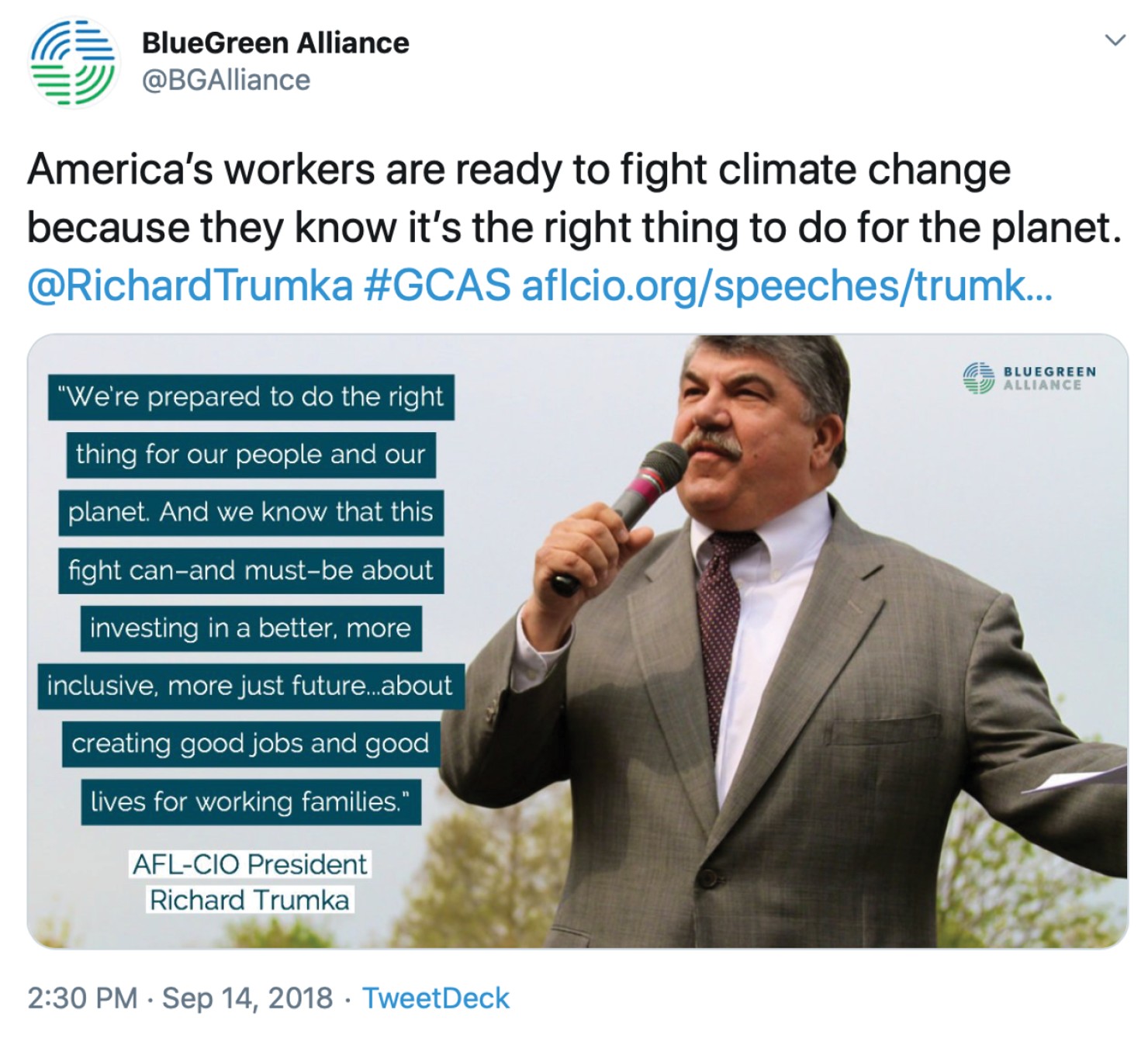
ICYMI: AFL-CIO President Richard Trumka spoke at last week’s Global Climate Action Summit, “Make no mistake, this is a tough issue for us. But, in the labor movement, we’re used to tough issues and hard choices. We’re prepared to do the right thing for our people and our planet. And we know that this fight can–and must–be about investing in a better, more inclusive, more just future...about creating good jobs and good lives for working families.”

Downloads
Latest Publications
On Permitting Reform: How To Talk About BAAJA
Past the Pump: How Americans are Footing the Costs of Trump’s War of Choice
EIA is Under Attack. That’s Dangerous for the Entire Energy Sector.
On the Grid: PERMIT Me to Celebrate
Never Miss an Update
Sign up for updates on the pragmatic, center-left ideas shaping the future of American policy.