Report Published April 2, 2026 · 9 minute read
What Most Favored Nation Means for Prescription Drugs
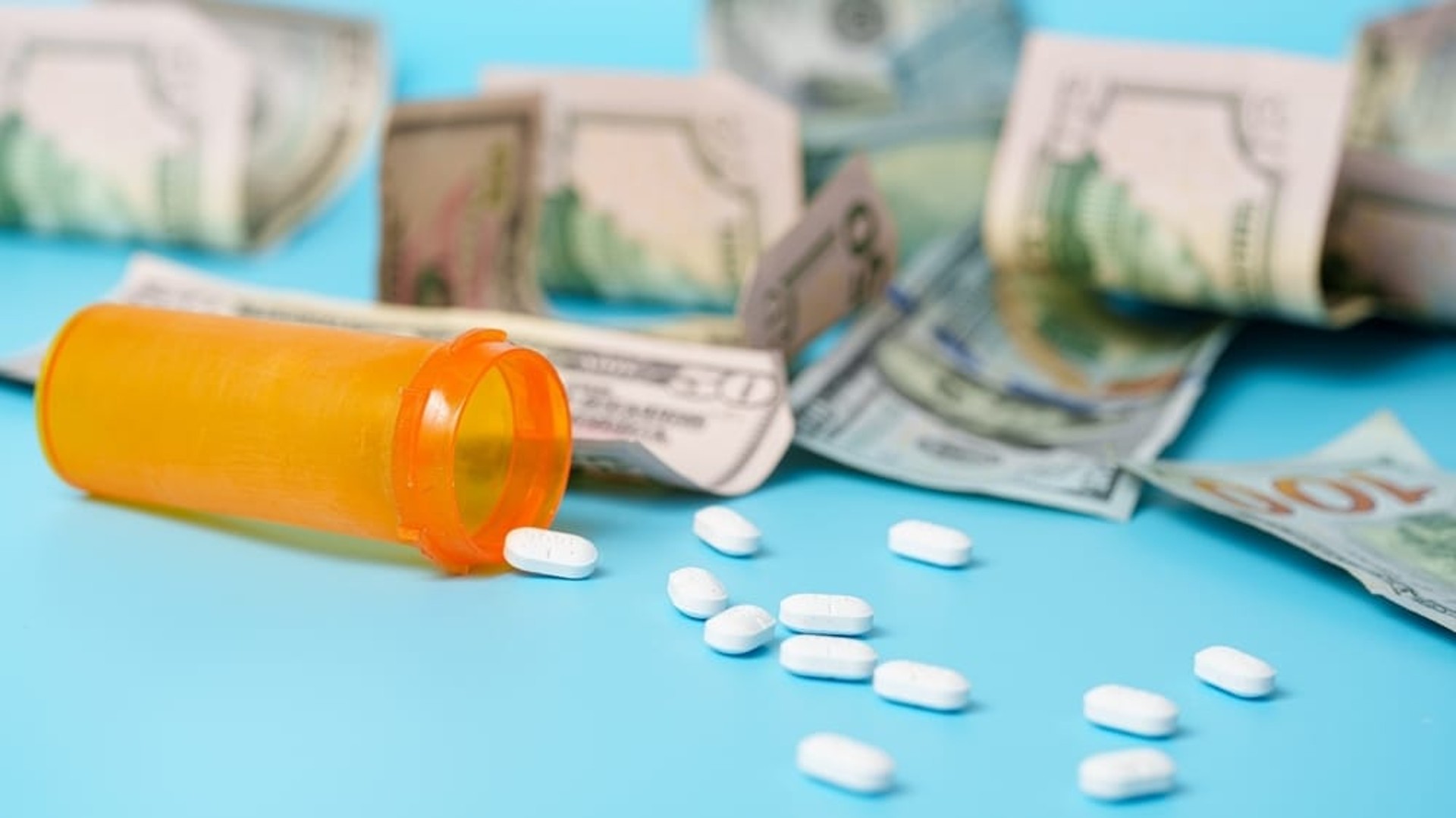
Americans have access to incredible, life-saving medicines. While we have more and faster access to these drugs, we also pay a lot of money for them. On average, prices for Americans are two times more for the same drugs as those in other OECD countries.1
The high cost of prescriptions has captured the attention of many political leaders for decades, but comprehensive solutions have been slow to emerge. Democrats recently took steps in the Inflation Reduction Act by capping what Medicare seniors pay out of pocket for prescriptions in Part D and allowing Medicare to negotiate some drug prices. Drug prices in US public programs like Medicaid and Medicare are 18% lower than those in other countries.2 However, Americans with coverage through their employer may still be vulnerable to high drug costs because they lack similar protections.
President Trump has proposed a different approach to the problem: Most Favored Nation pricing. In theory, this would guarantee that patients in the United States pay no more than the lowest price the seller offers in comparable countries. While that sounds simple, the approach has a litany of issues. In this report, we outline how Most Favored Nation works, core issues with this drug pricing approach, and alternative ways lawmakers can lower the cost of prescription medications.
What is Most Favored Nation and How Does it Work?
Most Favored Nation (MFN) aims to lower drug prices in the United States by tying them to the lowest price the same drug is sold for in other wealthy countries.3 While the exact international “reference price” used by the Administration varies across different models and agreements with pharmaceutical companies, the general concept ties domestic prices to those in economically comparable OECD countries.4 The theory is that this will lower prices for Americans while forcing other countries to pay more.
The rollout of this policy included the following actions:
- In May 2025, the Trump Administration issued an Executive Order aimed at getting pharmaceutical companies to set the price of drugs based on economically comparable nations.5 The policy would apply to drugs without biosimilars or generics available.
- Subsequently, in July 2025, the Administration sent a letter to 17 pharmaceutical companies demanding they lower prices to a MFN rate.
- Since then, the Administration has struck deals with 16 companies to lower prices through a direct-to-consumer (DTC) approach in Trump Rx. In addition, DTC prices may also flow through to Medicaid, which already pays the lowest prices for drugs and may not realize savings at MFN prices.6 These MFN agreements are voluntary and let the companies avoid tariffs on drug imports.7
- In President Trump’s announced health care plan, he called for codifying the MFN agreements.8
Notably, negotiations for these agreements are happening in private. There is no meaningful transparency around how MFN prices are set, what drugs are subject to the deals, and what the manufacturers are expecting in return.9
As voluntary agreements with drug companies continue to unfold, the Centers for Medicare and Medicaid Services (CMS) introduced three new MFN drug pricing models through administrative action:10
- GENEerating cost Reductions for U.S. Medicaid (GENEROUS) Model
- Guarding U.S. Medicare Against Rising Drug Costs (GUARD) Model
- Global Benchmark for Efficient Drug Pricing (GLOBE) Model
The first model requires participating manufacturers to provide a supplemental Medicaid rebate to align the prices of participating drugs to those of comparable countries. The latter two would require participating manufacturers to pay a rebate to the Medicare Supplemental Medical Insurance (SMI) trust fund should their drug prices within Medicare Part D and Part B exceed MFN rates.11
Why Most Favored Nation Isn’t a Meaningful Solution
While MFN makes a good talking point, the policy is riddled with problems. Specifically, it misses the mark in four key ways:
First, MFN puts drug innovation and American global leadership at risk. When foreign nations pay a very low price for new drugs, they are not paying their fair share of innovation costs.12 Suddenly dropping domestic prices, however, does not guarantee that other countries would pay more. Instead, it would simply cut investments in drug innovation. Economic research estimates that for every 10% decrease in revenue, we can expect a 2.5% to 15% decrease in drug innovation.13
Currently, the United States is the global leader in drug innovation and development, with 70% of pharmaceutical profits generated in the US market.14 This innovation is supported by $100 billion in private investment each year. Further, the National Institute of Health’s (NIH) biomedical budget in 2024, which is only a portion of US public spending on biomedical research, was more than double the entire medical research budget of the next highest country.15 Thanks to this robust public and private investment into drug research and development, American research universities have produced double the amount of academic articles for biological studies than China, and 68% of novel drugs approved in 2024 were first approved in the United States before other countries.16
If the United States were to lose this advantage, it could also lose influence over which drugs get developed and risk other countries limiting access or charging higher prices. For example, this approach could allow China to gain control over a market central to our nation’s health, as well as leverage over the supply of life-saving medicines.
Losing this advantage to China, which some expect could happen in a matter of years, would also mean losing good-paying biomedical research and development jobs, both in the public and private sectors.17
Second, MFN cedes decision-making authority to foreign nations. This policy ties US drug prices to those of comparable countries, effectively handing pricing decisions to foreign governments and creating a system that can be easily manipulated. For example, drug manufacturers and foreign countries could quietly institute rebates that inflate the face price of drugs but still allow the consumers in those countries to pay low prices. Confidential agreements like these were already found in 22 European countries in 2021.18 In short, MFN creates domestic pricing that is at the whim of countries who will always prioritize their citizens first.
Third, MFN does not make up for Trump’s policies that undermine access to prescription drugs. The second Trump administration has taken sharp aim at dismantling federal agencies that support and facilitate drug innovation. Trump has cut funding to the National Institute of Health, a key agency for medical research, and reduced funding for research institutions.19 Further, personnel cuts at the Food and Drug Administration (FDA) are slowing down the approval of new drugs.20 And Trump’s tariffs are adding to the cost of drug development.21 In combination, these actions undermine innovation and distribution of drugs, ultimately leading to higher costs and less access for patients. MFN does nothing to reverse those actions.
Finally, MFN is another ‘concept of a plan’ by the Trump Administration. Action thus far has been an ad hoc exercise to determine what President Trump’s Most Favored Nation means in practice. So far, the countries used as price references in voluntary deals struck between manufacturers and CMS models have varied, and the agreements do not explain what manufacturers receive in return for participating in a full and transparent manner.22 Further, MFN does nothing to help Americans afford out-of-pocket costs still associated with their drugs, which are set by health insurance plans.
This is part of a larger pattern. In his second term, Trump has no serious plan to address the high cost of health care. The only concrete plan he had with was taking away coverage from millions of Americans through his One Big Beautiful Bill.23
What are Some Alternative Policies to Reduce Rx Costs?
While MFN is a problematic approach, policymakers have numerous other options to reduce prescription drug costs. For example:
- Address patent thickets. One reason domestic drug prices are so high is that abuses of the patent system extend exclusivity for new drugs and prevent lower-cost biosimilars and generics from entering the market. Several bipartisan legislative proposals would reform this system to increase competition, bring new therapies to market, and lower prices.24
- Increase access to biosimilar drugs. Biosimilars, or drugs that provide the same treatment but have no clinically meaningful difference as an FDA-approved biologic, are much more affordable.25 However, their development is stunted by regulatory hurdles in federal policy.26 To increase access to these drugs and competition in the market, lawmakers should consider reforms to the FDA approval process, market entry, and price negotiations for their biologic counterparts.27
- Expand patient protections in the Inflation Reduction Act. To help reduce the cost patients pay for prescription medications, Congress should expand the cap on out-of-pocket costs to those with coverage through the Affordable Care Act and private insurance.
- Make the 340B drug pricing program accountable. The 340B program was created with the noble goal of helping deliver affordable drugs to vulnerable patients. However, its scope has significantly expanded without additional benefits to patients. Simple accountability measures and patient benefit standards will help increase patients’ access to low-cost drugs and support safety-net providers serving vulnerable communities.28
- Reverse Trump’s anti-affordability executive actions. If Congress is serious about lowering the cost of drugs, it should reverse tariffs and cuts to NIH and FDA that harm innovation, manufacturing, and drug approvals.
Conclusion
Americans face a real cost crisis in health care broadly and prescription drugs in particular. Access to these medications can be a matter of life or death, and lawmakers must take immediate steps to reduce the financial barriers to care.
President Trump refuses to acknowledge the affordability crisis, let alone propose a reasonable plan to address costs. Instead, when he announces new deals to “lower the cost of prescription drugs,” he is merely creating a distraction from reality. Most Favored Nation will have ripple effects that harm long-term access and affordability, threaten America’s position as a global leader in innovation, and does nothing to reverse executive actions that hurt the drug supply chain.