Climate & Energy Communications Cheat Sheet 10/12/18

Our thoughts are with the people of Florida as they start to deal with the reality of the aftermath of Hurricane Michael. Please remind your friends and loved ones to be aware of safety procedures even after the storm has passed. As of today, 11 people are dead and 800,000 people in Florida are without power. Based on a projection by Duke Energy, 300-500,000 people in North and South Carolina are also expected to lose power. The increased strength and destruction of Michael and other storms are a constant reminder of how weather patterns have become more dangerous due to climate change.
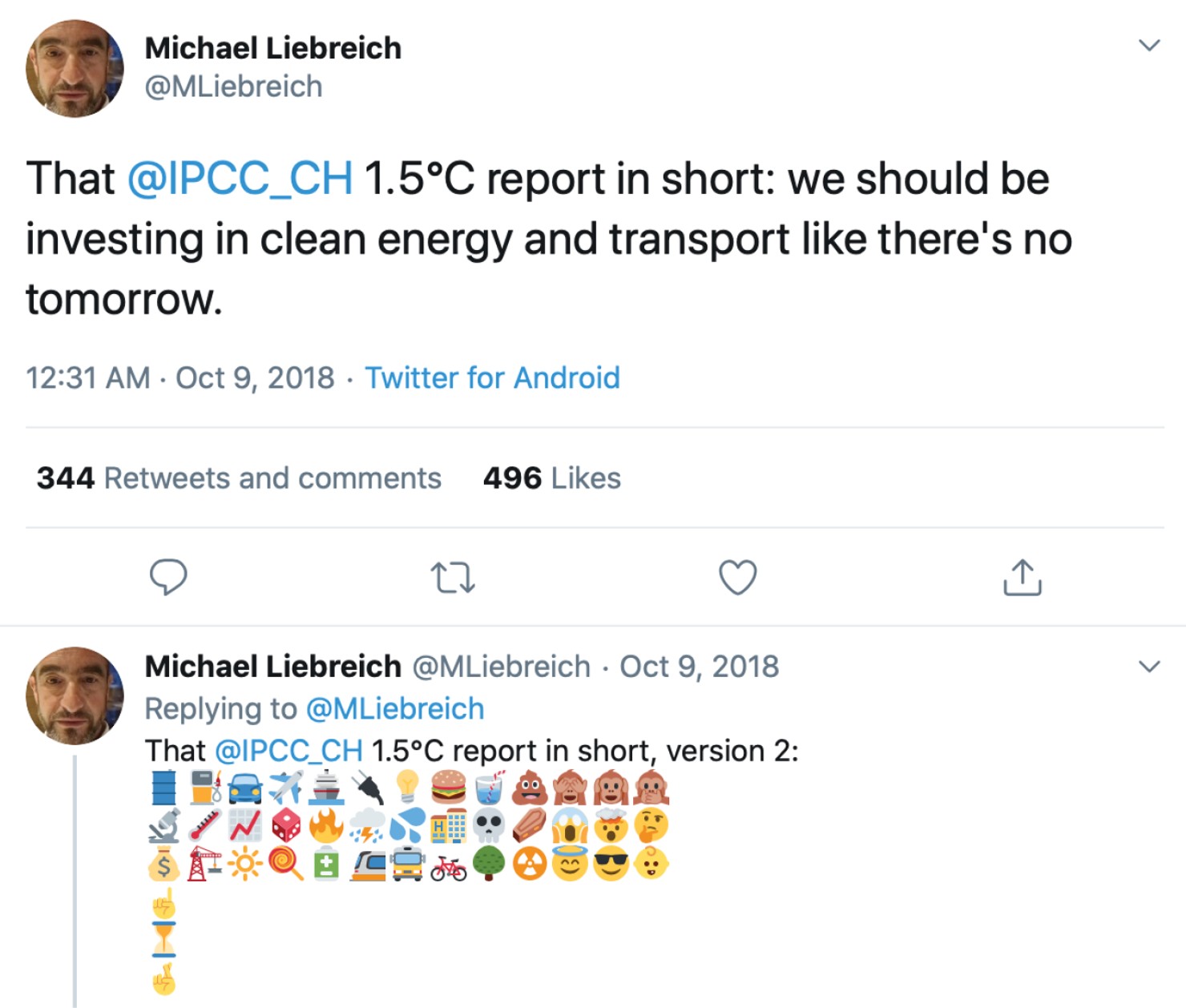
On the topic of climate change, the Intergovernmental Panel on Climate Change (IPCC) released The Special Report on Global Warming of 1.5ºC on Monday, and its grim forecast has stirred lots of policy conversation around the country. We hope the conversation continues and pushes policymakers to introduce aggressive clean energy and climate policies. For instance, this week we, along with AFL-CIO and the Council on Competitiveness, joined together to release a report about an often overlooked aspect in the climate discussion: industrial carbon emissions.
A Call to Action
Yesterday, Third Way and World Resources Institute (WRI) hosted over fifty attendees for a briefing about the IPCC’s Special Report on Global Warming of 1.5ºC on Capitol Hill. Third Way’s Erin Burns moderated a conversation between WRI’s Senior Associate Kelly Levin, Senior Climate Program Fellow Karl Hausker, and Third Way Policy Advisor Lindsey Walter. The panel provided the audience an overview of the major takeaways from the report and a path policymakers can take to aggressively tackle climate change.
ICYMI
Lindsey Walter took a deep dive into the IPCC report so you don’t have to, and found three reasons for hope amid the grim overall news, check it out here.
Talking Points
- The IPCC report should shake any lingering complacency or delay and spur us all to action.
- The new report makes clear: we need every tool we can get to eliminate carbon pollution. That means renewables and efficiency. It also means carbon capture, use, and removal; keeping existing nuclear plants open and building more current and advanced nuclear; energy storage; electric vehicles; and carbon-free liquid fuels.
- This is still a moment for the United States to shine. States can do a great deal in the absence of leadership from the Trump Administration by developing Clean Energy Standards similar to ones in California, New York, New Jersey, and Illinois.
- If the US is going to do its part and help the world avert the worst risks from climate change, however, at some point very soon we’re going to also need decisive action from the federal government. This report is nothing less than a rousing and urgent call to action.
Don’t Miss
If you were unable to attend the last briefing, never fear, we will be hosting another IPCC report briefing next Thursday, October 18 from 3 - 4 pm in the Hart Senate Office Building, Room 512. Register here.
Industry Matters
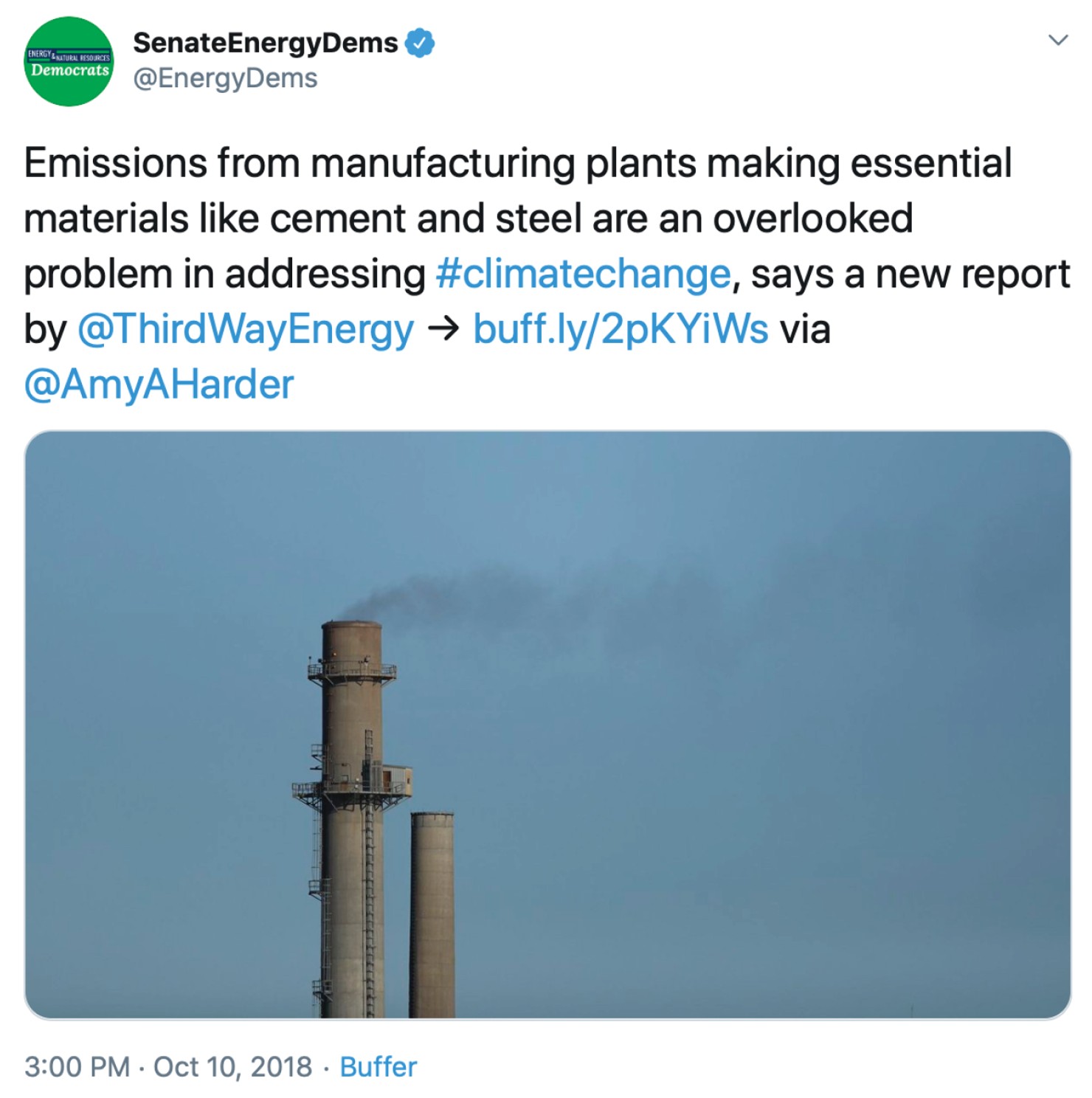
Third Way, AFL-CIO and the Council on Competitiveness, three unlikely allies on climate, joined together to release a report: Industry Matters: Eliminating Carbon Pollution from the Industrial Sector. This new report calls attention to the need for federal policy to help reduce energy waste and emissions in the industrial sector, which contribute a third of all greenhouse gas emissions in the United States. This aspect of the energy discussion is often overlooked, despite enormous potential benefits for the environment, economy, and workforce.
Something To Think About
If the top five energy-consuming manufacturing sectors in the US were their own country, they would rank 9th in the world in terms of total energy used.
ICYMI
Amy Harder outlined some of the major points in the report in Wednesday’s Axios, have a look here.
Talking Points
- US manufacturers are the cornerstone of our nation’s industrial sector and a vital source of good-paying jobs. By improving energy performance, we can help businesses reduce waste, create and sustain jobs, save money, and invest in long-term growth.
- We can’t hit our climate goals without significant efforts in the industrial sector--it’s actually the largest emissions source if power emissions are distributed to end users, and it’s the only sector expected to see a major increase in emissions through 2050.
- Businesses, cities, states, and entire countries are enacting policies to promote cleaner and more efficient energy use, including standards and incentives that will impact major industries. By helping our manufacturers stay on the forefront of changing energy demand, the US can ensure their ongoing access and competitiveness in evolving global markets.

Downloads
Latest Publications
On Permitting Reform: How To Talk About BAAJA
Past the Pump: How Americans are Footing the Costs of Trump’s War of Choice
EIA is Under Attack. That’s Dangerous for the Entire Energy Sector.
On the Grid: PERMIT Me to Celebrate
Never Miss an Update
Sign up for updates on the pragmatic, center-left ideas shaping the future of American policy.