Blog Published December 11, 2025 · 3 minute read
Tech Policy 2026 Look Ahead
As we head into 2026, the tech policy landscape is about to get even more complicated–and more political. Retiring leaders are eyeing last-chance legislative wins, a wave of tech-literate Democrats are stepping onto the national stage, Europe is rethinking its once-aggressive regulatory posture, and Republicans remain split on a key debate: preemption. Here’s what should be on your radar as the year unfolds.
1. Preemption Debate is Dividing the Republican Caucus
Preemption remains the Republican Party’s biggest internal divide on tech. As red states move ahead to implement their own rules for tech platforms, many of their representatives in Congress are reluctant to override them, and Governors are defending them against White House pressure. The division stymies progress on the GOP’s proposals.
What we’re watching: Will Republican leadership be able to unite their caucus before the Congressional term expires? Or will we see a bipartisan coalition come up with a more balanced framework?
2. Retiring Senators Hunt for Final Tech Wins
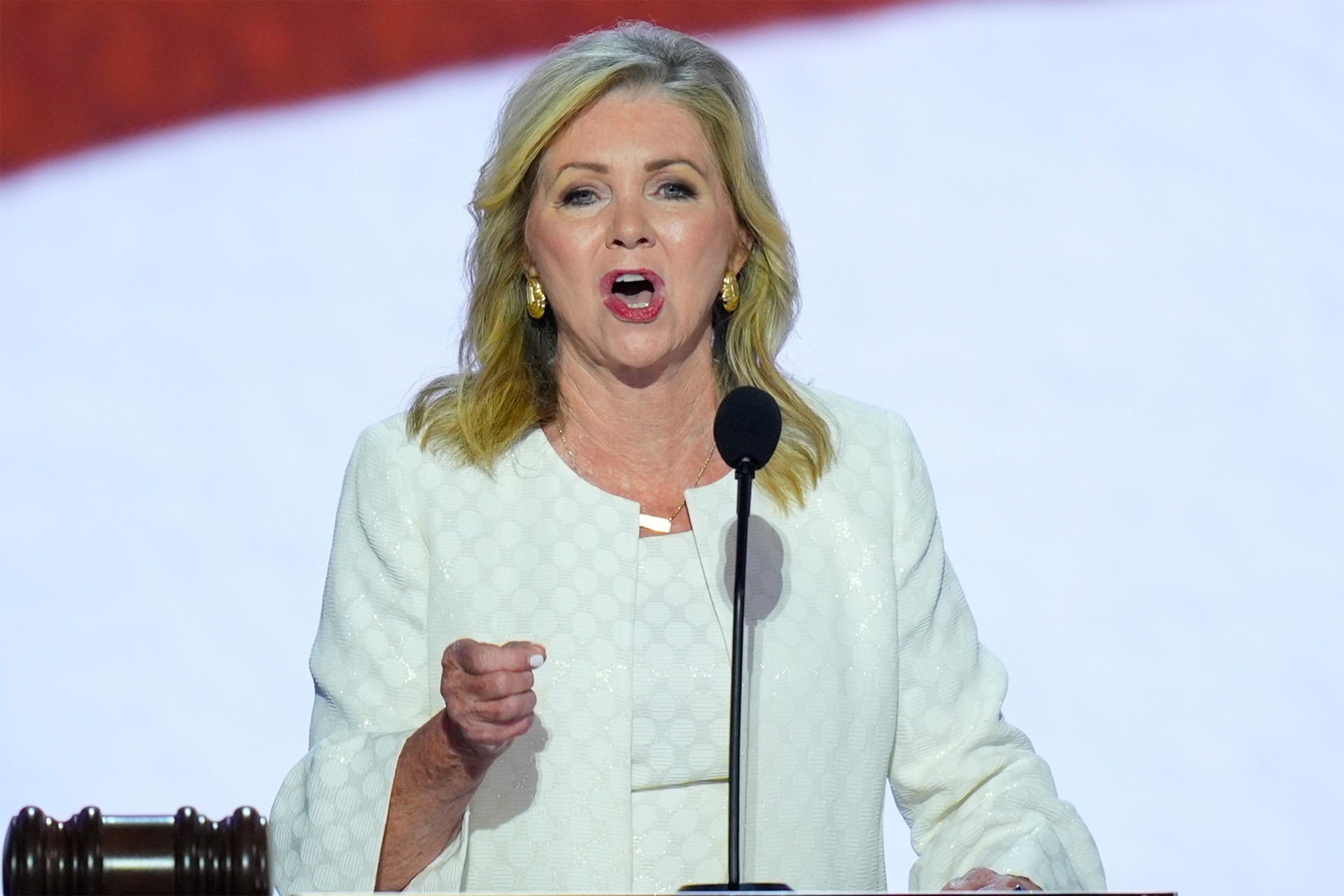
Two of Congress’s most outspoken tech hawks—Sens. Marsha Blackburn and Dick Durbin—are leaving in 2026. Both have championed bills aimed at protecting kids online, while Durbin has also focused on sunsetting Section 230 and Blackburn has set her sights on expanding copyright holders’ rights over AI training data.
What we’re watching: Will the outgoing members rally enough bipartisan momentum to make one last run before they say their goodbyes? Will other tech leaders call it quits and head for the retirement exits?
3. Primaries Put Tech-Forward Democrats in the Spotlight
Democratic primaries next year could elevate a new generation of members who’ve built their reputations on tech issues. In California, state Sen. Scott Wiener—architect of the state’s frontier AI oversight law—is vying to succeed Speaker Emerita Nancy Pelosi. In New York, the author of a similar bill, Assemblymember Alex Bores, is jumping into the primary fight to replace Rep. Jerry Nadler.
On the Senate side, Rep. Raja Krishnamoorthi in Illinois is running to replace Sen. Dick Durbin, and Rep. Angie Craig is going for Sen. Tina Smith’s seat.
What we’re watching: Will the midterms elevate a new generation of Democratic tech thinkers? And how important will tech regulations be in their primary campaigns?
4. Courts Keep Stress-Testing Ambitious Antitrust Enforcers
Antitrust regulators are heading into 2026 with mixed results and mounting judicial skepticism. This year, courts rejected the FTC’s allegation that Meta maintained an illegal monopoly in the social media market and ignored the DOJ’s calls for Google to be broken up after it was found to have an illegal monopoly in the search market.
More action is coming: remedies are expected in DOJ’s separate ad-tech case—where Google was also found to have an illegal monopoly in the ad-tech market—and the FTC’s trial against Amazon is set to begin in October 2026.
What we’re watching: Will judges continue to check the ambitions of antitrust regulators looking to enforce big penalties on tech companies? And, if they do, how will Congressional advocates of aggressive antitrust actions react?
5. EU is Rethinking its Aggressive Tech Regulations
European Commission President Ursula von der Leyen has begun a campaign to unwind the European Union’s laws when it comes to data privacy and artificial intelligence. The move comes amid lagging economic growth, fears about the European industry’s competitive prospects, and tariff pressure from the Trump Administration.
What we’re watching: Will von der Leyen be able to amass the political support she needs across the member countries? And will the Trump Administration use trade negotiations to push for other regulations to be rolled back?