Blog Published May 27, 2026 · 4 minute read
Strengthening Small Business Ecosystems in Las Vegas and Baltimore
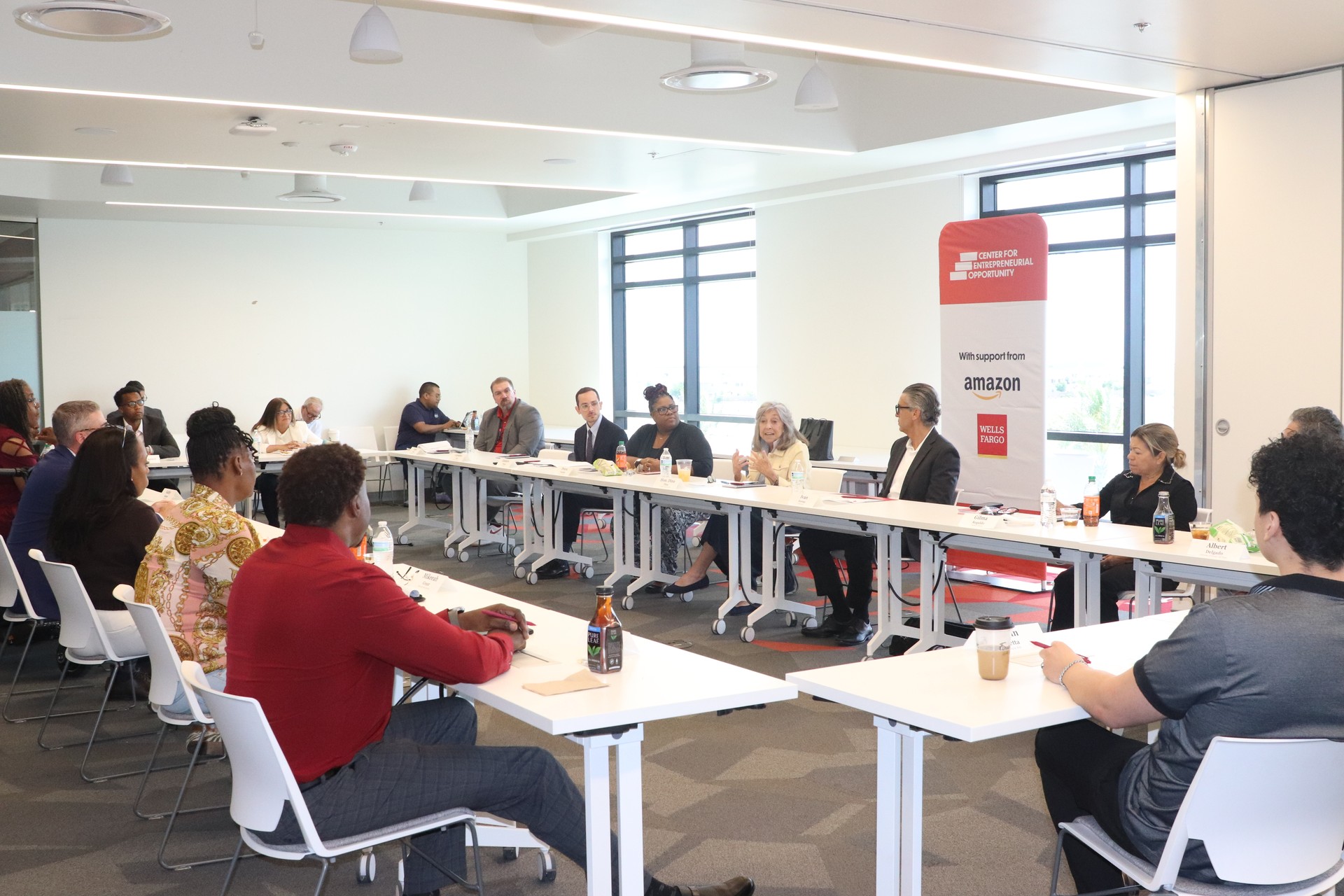
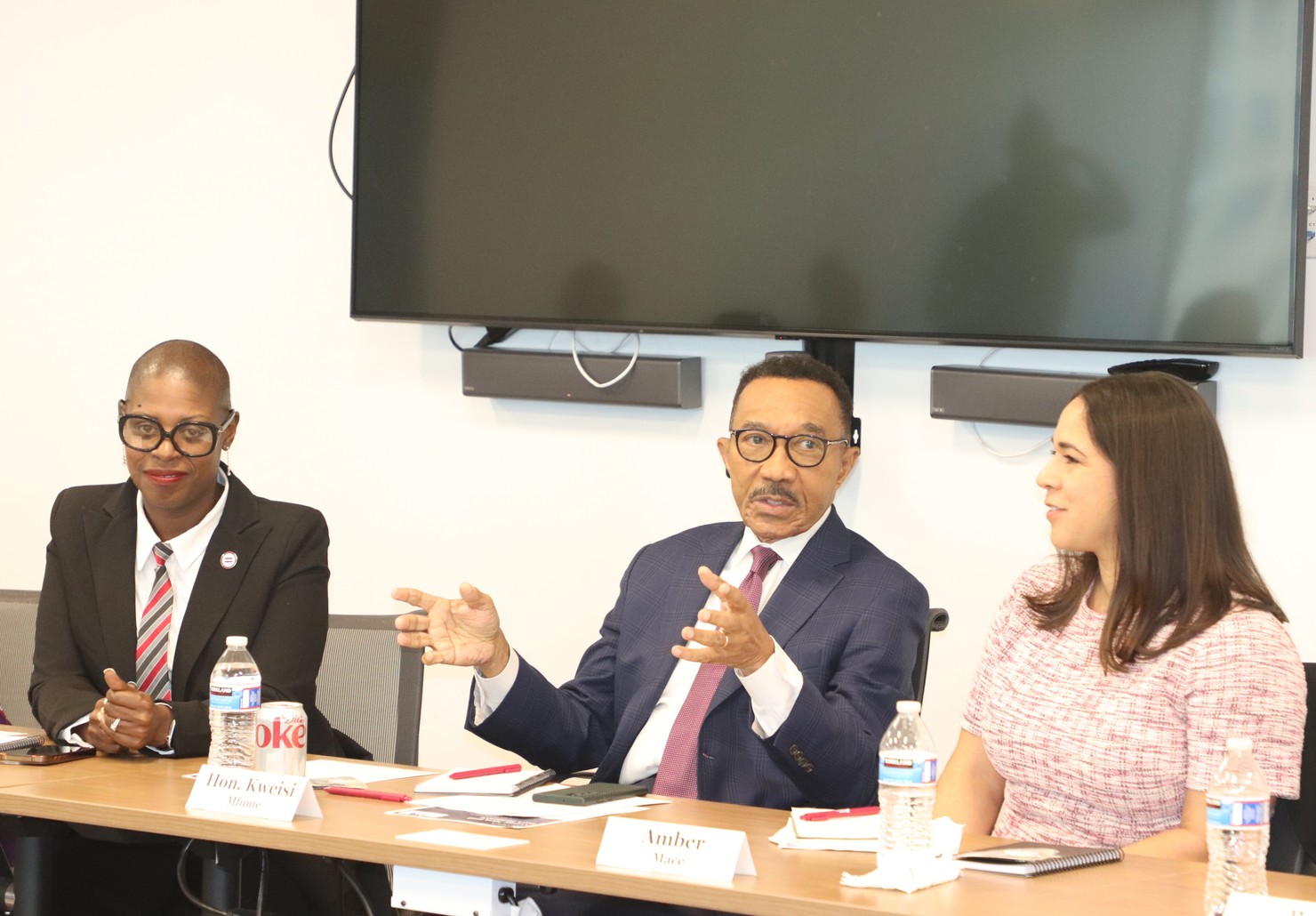
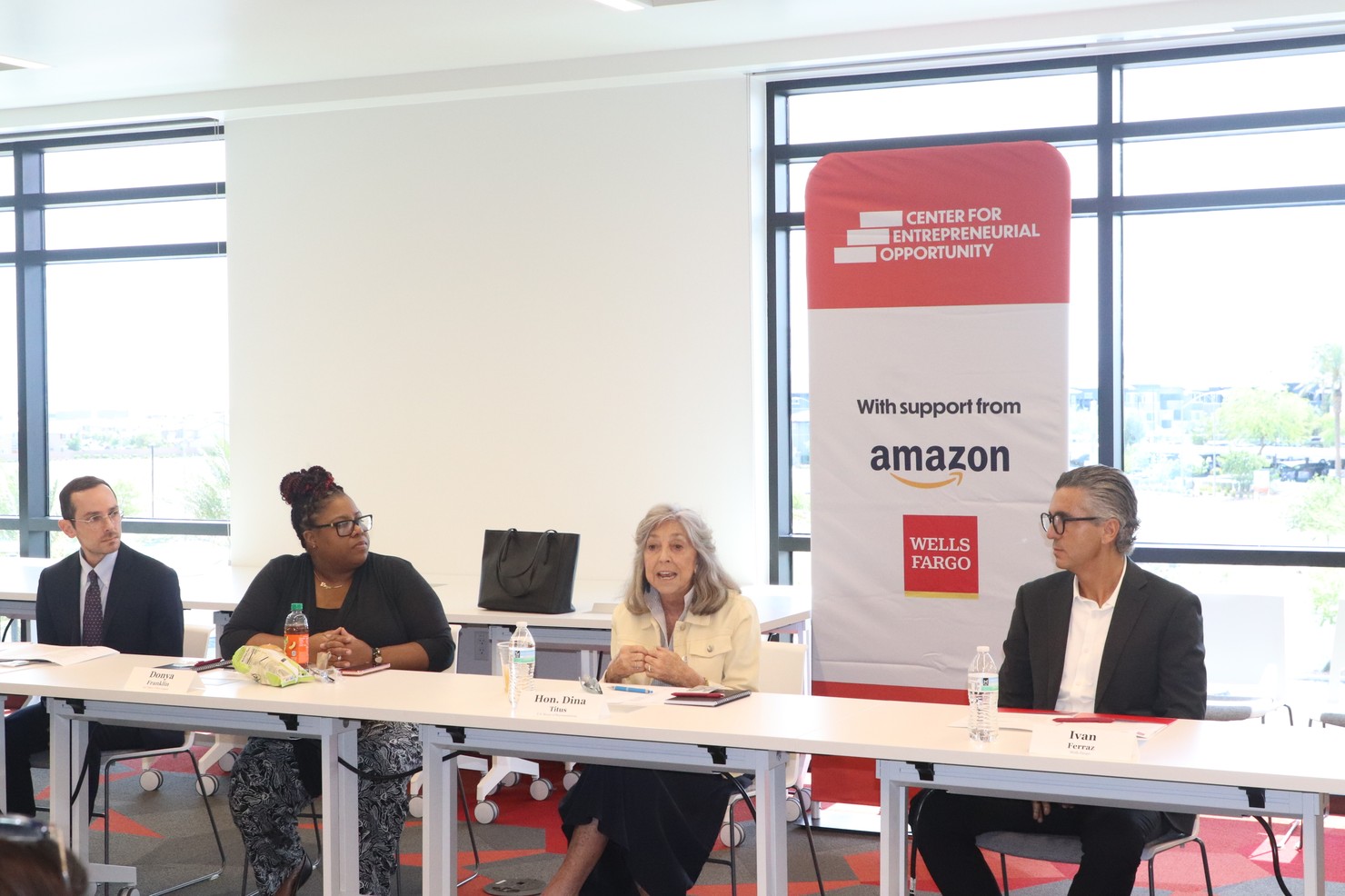
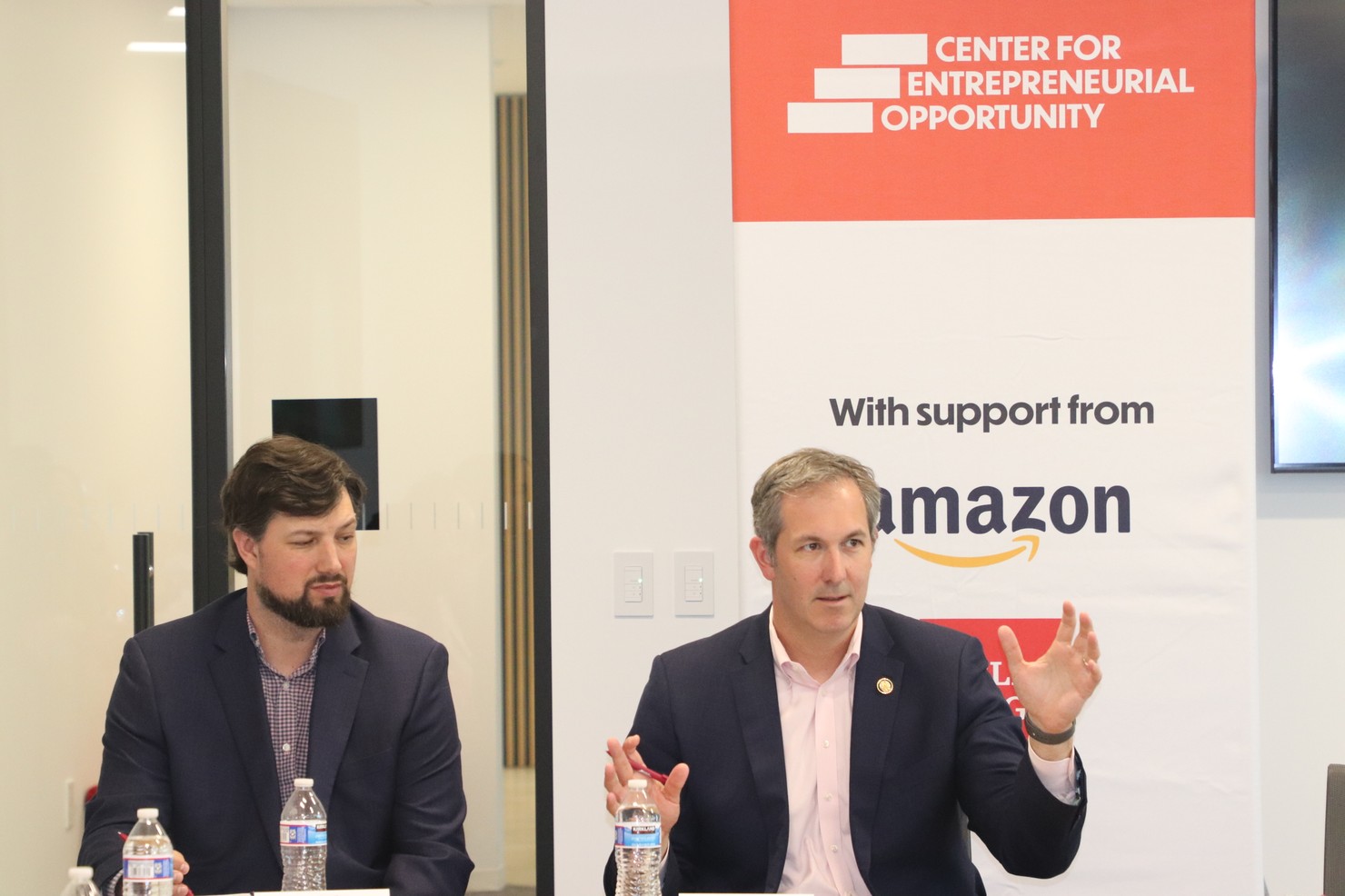
As part of National Small Business Month, the Center for Entrepreneurial Opportunity hosted roundtables in Las Vegas and Baltimore featuring US Representatives Dina Titus, Kweisi Mfume, and Johnny Olszewski to discuss strengthening pathways to small business growth. During the discussions, Members of Congress heard directly from Urban League Entrepreneurship Center leaders, entrepreneurs, and ecosystem leaders about the challenges facing small businesses today—from financing gaps and workforce shortages to rising costs and regulatory hurdles.
Several common themes emerged across both convenings:
Small businesses need flexible capital that reflects the realities of growth. Entrepreneurs in both cities identified access to capital as the most significant barrier to starting and scaling businesses. One entrepreneur shared that she relied on personal savings and credit cards to launch her business before receiving a grant that gave her time to generate revenue and scale sustainably. Participants also discussed the need for financing solutions that better align with small business cash flow realities and growth stages, specifically for businesses that are not yet ready for traditional lending products. Participants emphasized the importance of bridge financing—short-term, flexible capital that helps businesses cover immediate operational needs and stabilize cash flow while they work toward qualifying for larger or more traditional loans. Liquidity needs and persistent funding gaps remain major challenges for solopreneurs and microbusinesses.
Economic uncertainty is making it harder for small businesses to operate and grow. Many business owners are already stretched financially, while facing rising costs and delayed payments. Entrepreneurs shared that there is only so much they can raise prices before affordability becomes a concern for customers, further increasing demand for flexible and affordable financing. Wells Fargo representatives also emphasized the importance of pairing capital with guidance that helps entrepreneurs manage growth challenges and build long-term stability. (Note: Support for our work comes in part from CEO’s Industry Council, which includes Wells Fargo and Amazon as founding partners.)
Limited access to capital and credit is one of the most common reasons why businesses fail. - Rep. Kweisi Mfume
Entrepreneurs need access to both funding and long-term support. Access to capital alone is not enough to help businesses succeed and thrive in the long-term. Participants repeatedly emphasized the importance of Participants repeatedly emphasized that mentorship, coaching, technical assistance, marketing support, and advisory relationships are vital resources for small businesses. One business owner said entrepreneurs need help understanding the “blueprint” for getting from one stage of growth to the next. For many first-time business owners, starting and scaling can be difficult while navigating challenges in real time with little margin for error. Capital providers and entrepreneurial support organizations discussed to help owners improve capital readiness, cash flow management, business planning, contract financing, real estate strategy, and identifying the right financial products at different stages of growth. As businesses grow, long-term relationships and trusted guidance can be just as valuable as capital.
Entrepreneurs and local economies continue to face pressures from workforce shortages, rising costs, affordability challenges, and neighborhood disinvestment. Participants highlighted how workforce development initiatives, apprenticeship programs, neighborhood revitalization efforts, and place-based economic development strategies strengthen small businesses and local communities over time.
Small business owners are playing defense with so many challenges such as tariffs, licensing, workforce challenges, rising costs, big-business takeovers, and constant economic uncertainty. - Rep. Dina Titus
Strong entrepreneurial ecosystems depend on coordination and collaboration across organizations. Individuals in both cities highlighted the importance of stronger alignment among financial institutions, organizations, local leaders, and ecosystem partners. Increasing the number of available programs is not enough if entrepreneurs cannot easily identify, navigate, or access them. The discussions pointed to the need for more connected ecosystems that link entrepreneurs with capital, technical assistance, workforce pipelines, procurement opportunities, and long-term guidance.
The Las Vegas convening, hosted at UNLV’s Office of Economic Development, showed what this coordination can look like in practice. Through partnerships like SBDC and Black Fire Innovation, entrepreneurs can access shared workspace, specialized equipment, and technical resources designed to help small businesses grow and scale. Two entrepreneurs also discussed developing platforms that connect independent contractors, creators, and small businesses with prospective customers and clients, reflecting how local innovation can expand access to markets and economic opportunity. In Baltimore, a participant shared that Maryland is exploring the creation of a single sign-on system for businesses to help streamline access to government resources and reduce the burden of navigating multiple disconnected systems.
It’s vital to create opportunities and ensure equitable economic growth for entrepreneurs. - Rep. Johnny Olszewski
The Center for Entrepreneurial Opportunity is grateful to all of the participants who joined us in Las Vegas and Baltimore. Their insights and experiences will continue to inform our work as we develop and advance policies that expand opportunity and strengthen entrepreneurial ecosystems across the country.