Blog Published July 8, 2026 · 3 minute read
Blocking Wind Is Making America More Expensive and Less Safe
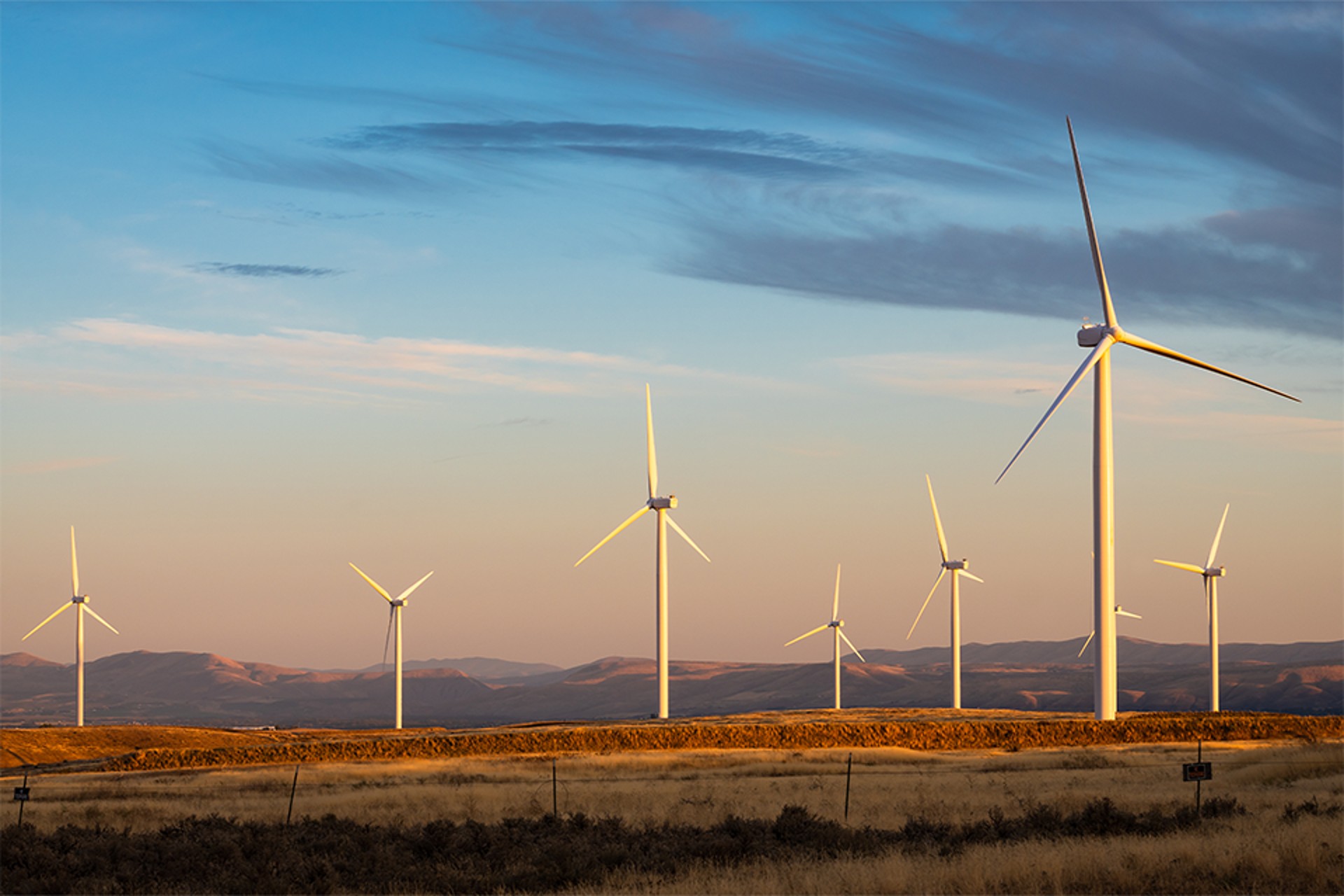
The Pentagon has functionally banned wind power, halting around 28.5 GW of onshore wind projects and wiping out three years of effort to bring new energy online. Our analysis of EIA data shows that the US averaged 9.5 GW of new onshore wind capacity per year between 2018 and 2024, a critical addition amid skyrocketing demand.
But instead of energy security, the Trump Administration is prioritizing political ideology.
This would be counterproductive in any era. But it is especially damaging and expensive right now. With data centers eating more than double 2025's power in 2027, that 28.5 GW sitting in the queue would have alleviated some pressure on an already overtaxed grid. Additionally, the projects were financed under federal tax incentives (IRA/BIL), maximizing their affordability. Unfortunately, OBBBA’s updated deadlines for these tax incentives cannot be met if projects are stuck in limbo.
The executive branch is holding the projects hostage until they starve. This tactic jeopardizes $47 billion in investments and thousands of jobs in 21 states.
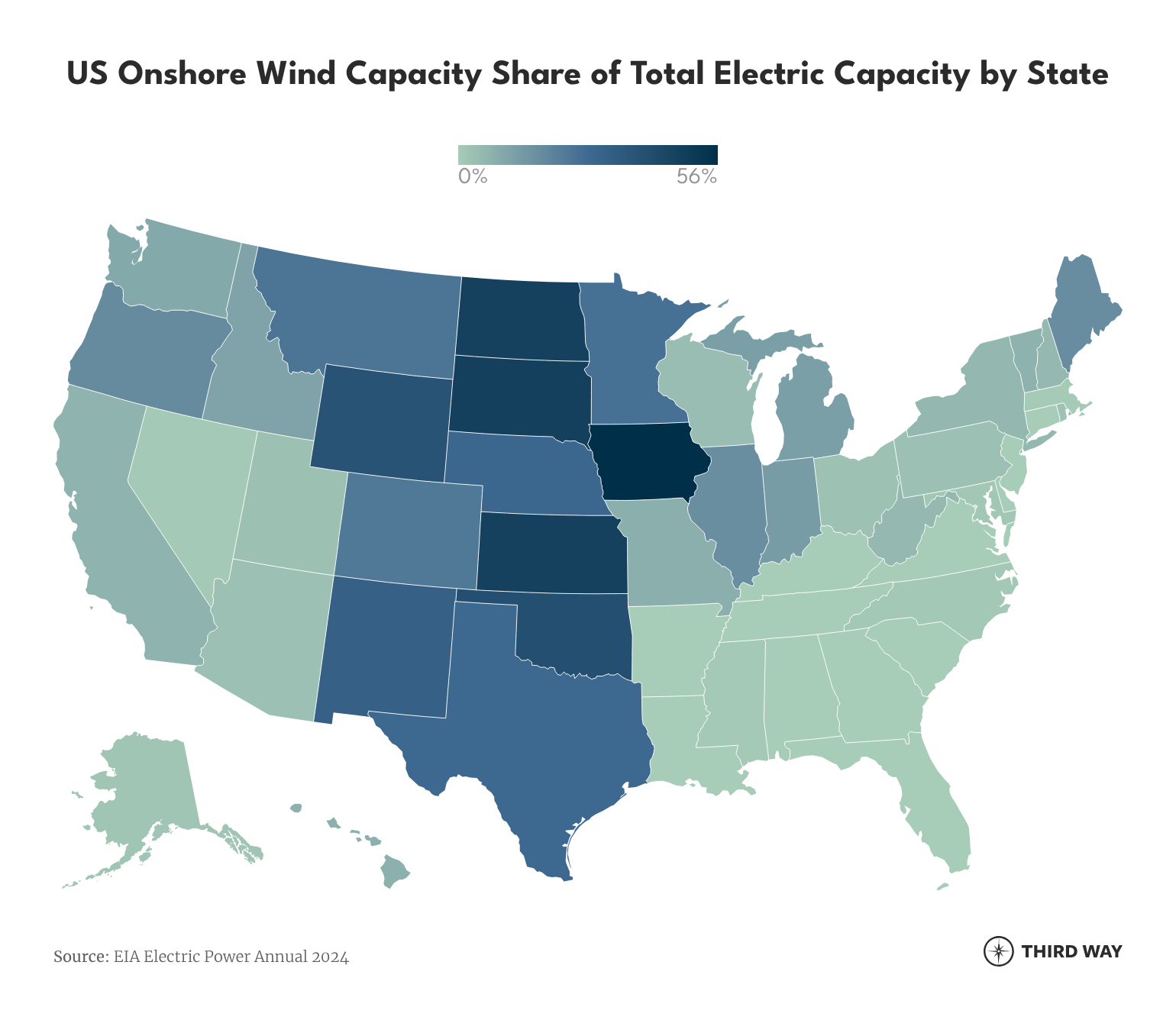
The attacks on wind energy are reckless, but also counterintuitive. Much of the country already benefits from renewable energy. 70% of US land-based wind capacity is located in Great Plains states: In 2025, Iowa generated 59% of its electricity using wind, Kansas 47%, and Oklahoma 42%.
These states run on wind because wind is abundant. Even with tax credits evaporating in the coming year, favorable conditions in the Great Plains allow wind projects to come in below $40/MWh. Compared to a floor price of $71/MWh for coal and $48/MWh for gas combined cycle generators, coupled with the costs of variable fuel prices, wind is clearly a competitive resource.
Blocking this pipeline of generation capacity is essentially a stealth rate hike imposed on Republican and battleground states by the DOD and the Trump administration.
Some policymakers are pushing back, though perhaps not enough. Senator King's approved NDAA amendment would require the Pentagon to deliver a final decision on delayed wind energy projects within 180 days, eliminating bottlenecks caused by extended reviews. While supported by Senator Schatz, he conceded that executive discretion might just swallow this statutory reform and leave projects blocked, essentially requiring more enforcement and accountability.
While the Senate Armed Services Committee released the NDAA with the permitting amendment, the House Rules Committee just blocked hundreds of amendments including the bipartisan supported mirroring text to Senator King’s version, putting all wind projects back on the line.
The Pentagon’s attacks may be focused on wind, but it jeopardizes project certainty for the whole energy industry. Left unchecked, the de facto ban on wind will increase costs for ratepayers, box developers into more expensive and aging solutions, and make US energy more expensive and less safe.